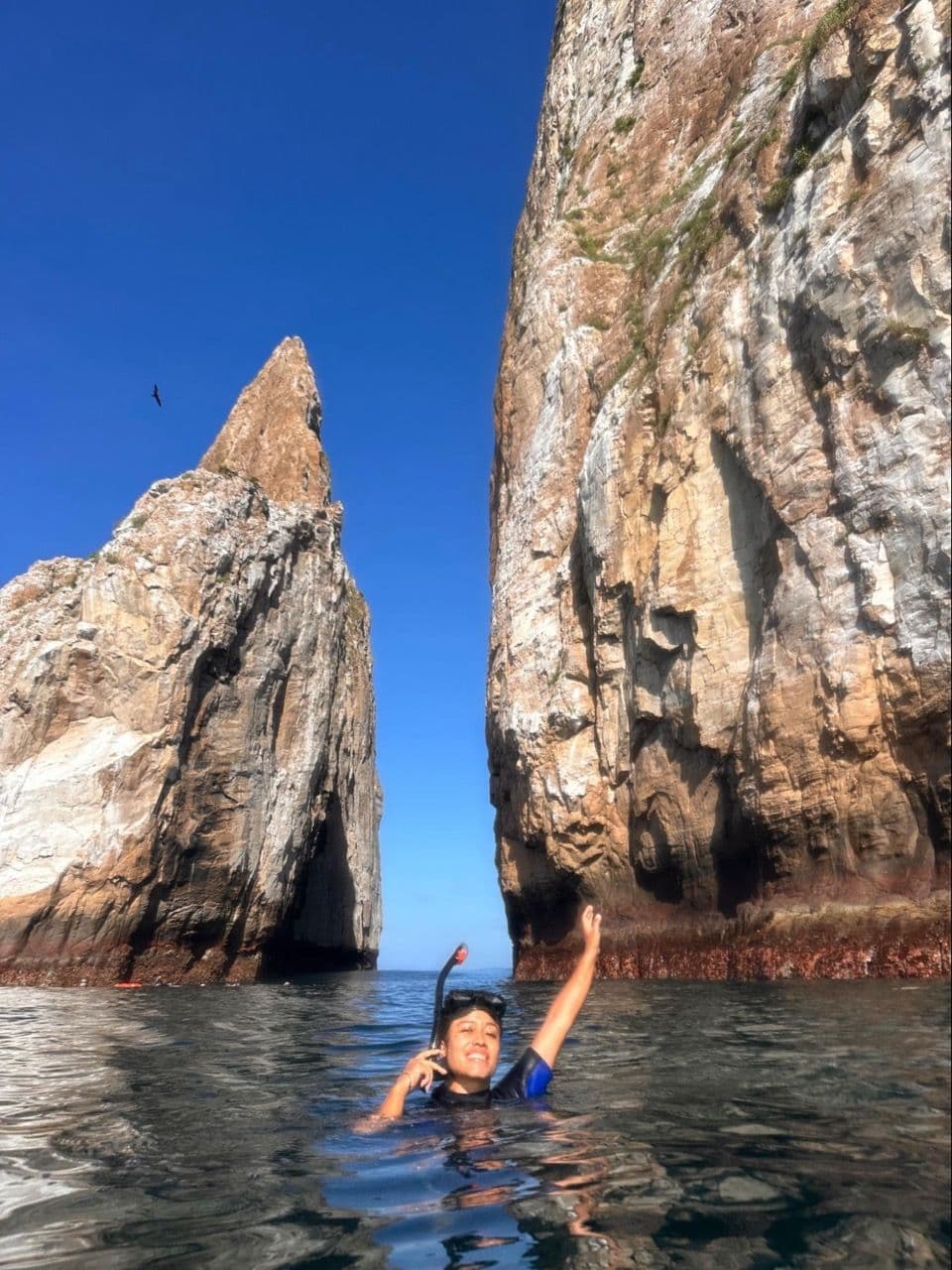
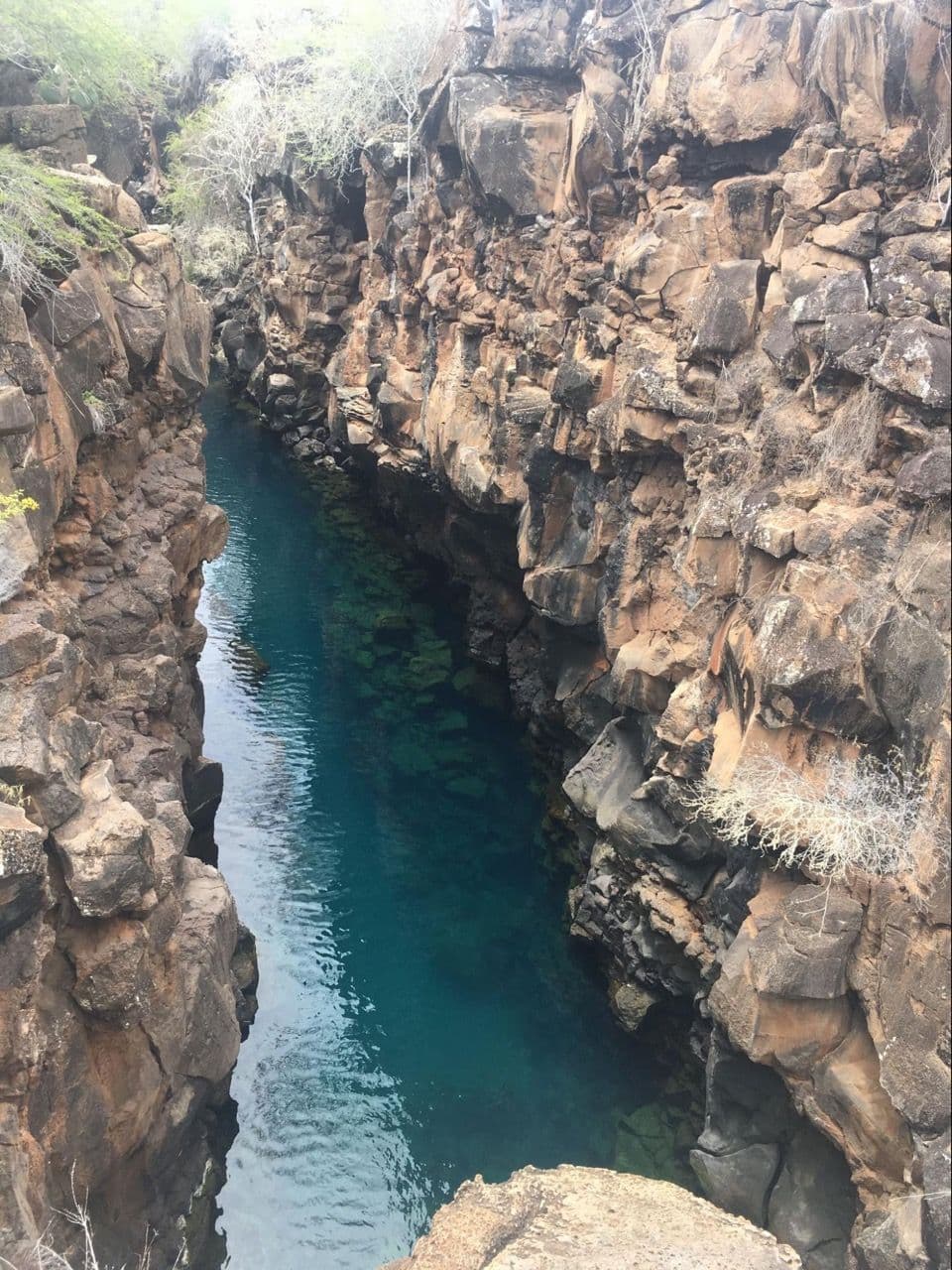
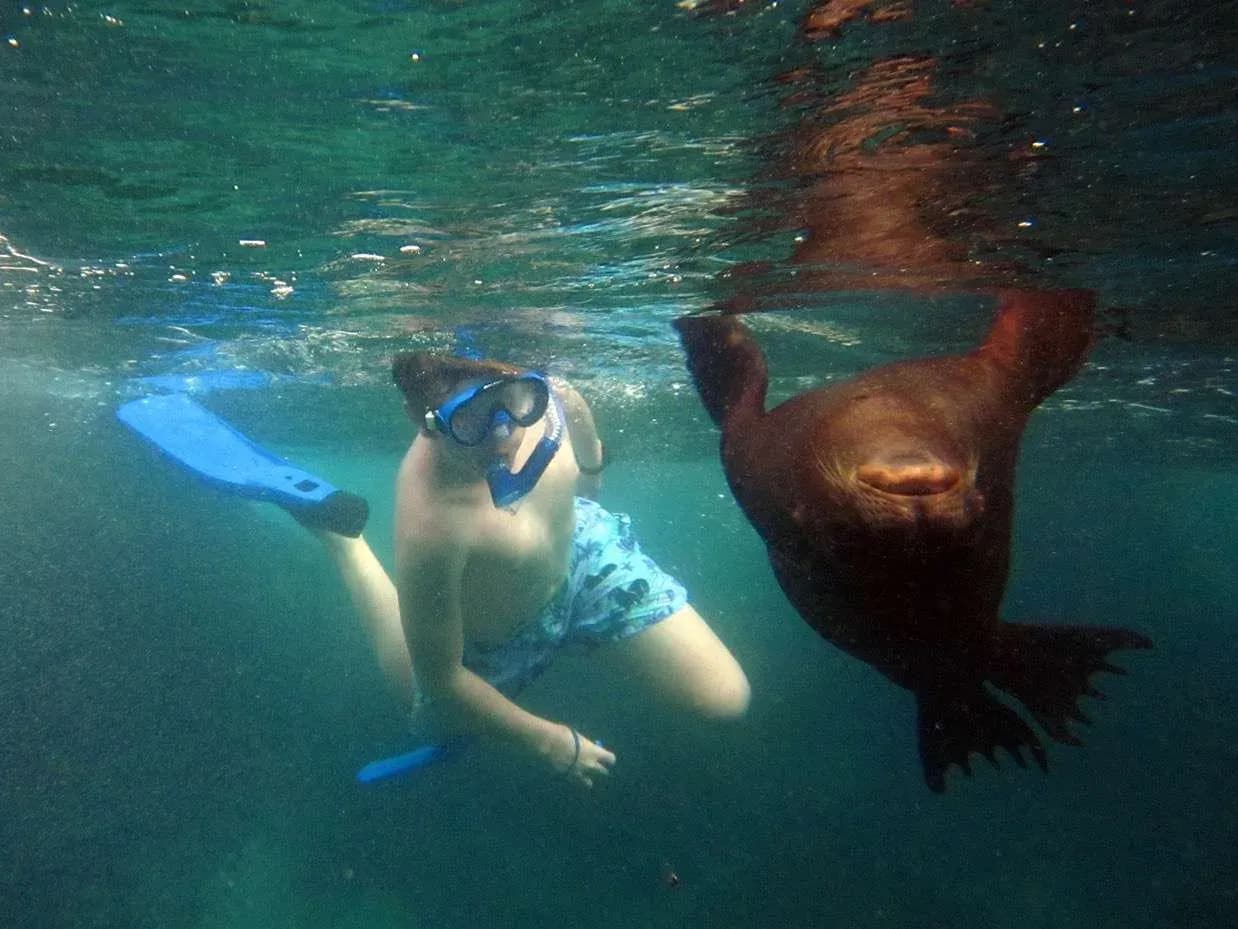
History of the Galápagos Islands: What You Didn’t Know About This Paradise
The Galápagos Islands are much more than just a tourist attraction—they embody a rich tapestry of geological, biological, and human history that has fascinated scientists, travelers, and conservationists for centuries. This archipelago, located about 1,000 kilometers (roughly 620 miles) off the coast of mainland Ecuador, is a living laboratory of evolution and a prime example of how the interaction between humans and nature can shape the destiny of a unique ecosystem. In this blog, we’re going to dive into the history of the Galápagos Islands: from their volcanic formation to their crucial role in the development of the theory of evolution, their discovery, their one-of-a-kind biodiversity, their designation as a UNESCO Natural World Heritage Site, and the thriving tourism that defines them today.
Cover photo
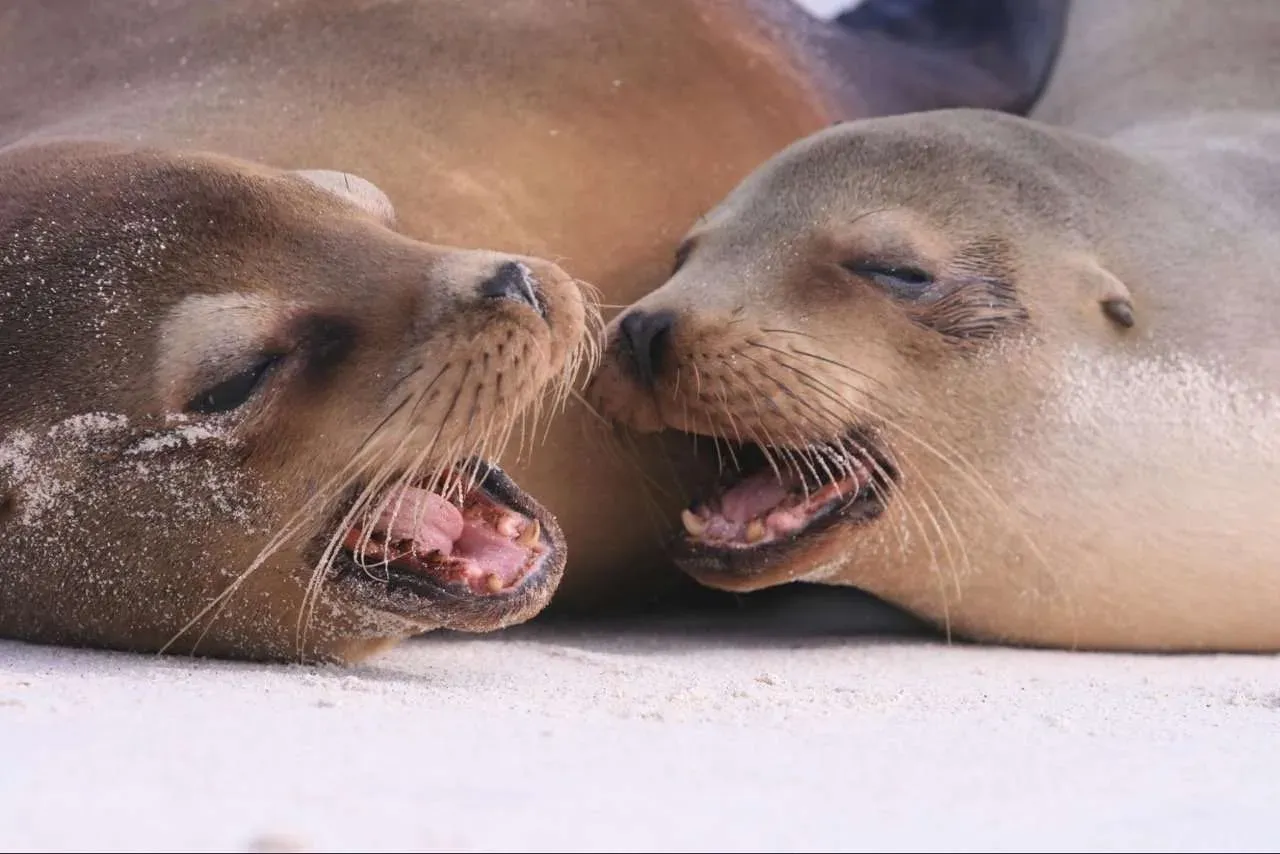
Galápagos Sea Lions
Photo by Ministerio de Turismo del Ecuador
A fascinating volcanic origin
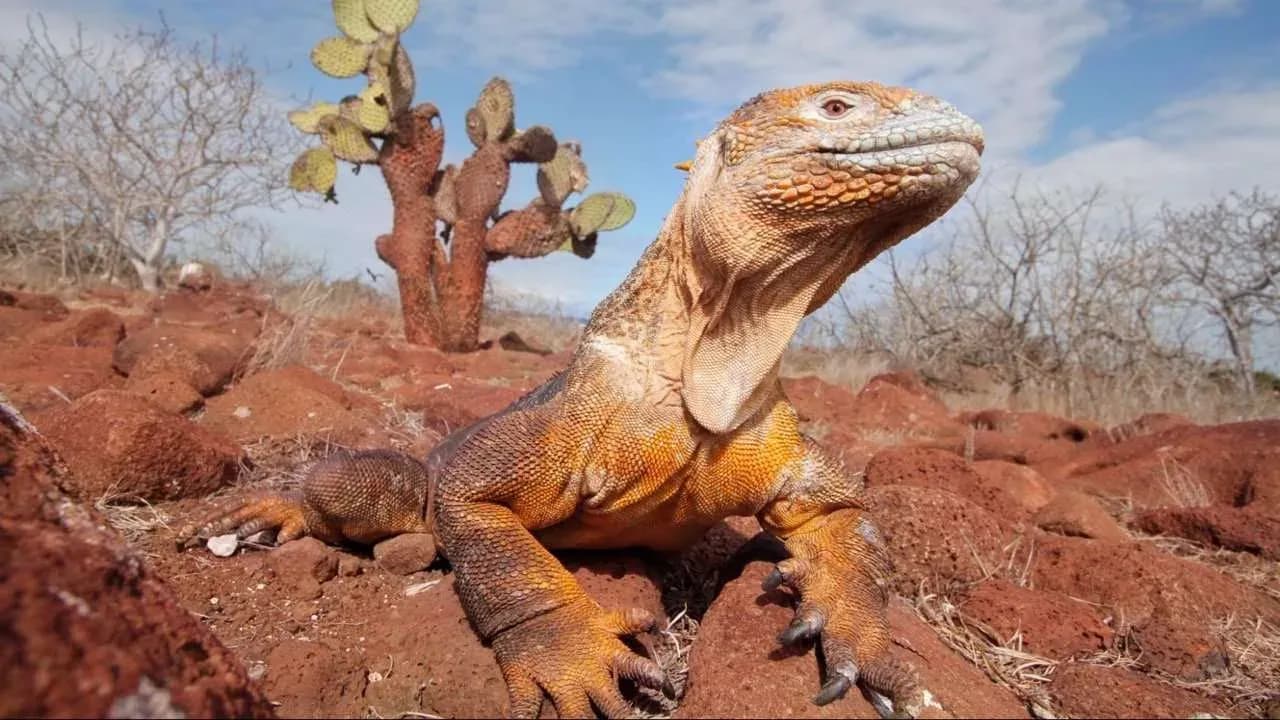
Galápagos Land Iguana
Photo by Ministerio de Turismo del Ecuador
The Galápagos Islands were formed between three and five million years ago as a result of volcanic activity caused by a hotspot beneath the Nazca Plate. As this plate has slowly moved eastward, new islands have emerged from the Pacific Ocean. Today, the archipelago is made up of “13 major islands, 4 of which are inhabited, along with more than 200 islets, rocks, and smaller islands” (Galápagos National Park, n.d.). Where exactly are we?
Some islands, like Fernandina and Isabela, still display visible volcanic activity. You can see fumaroles, craters, and hardened lava flows that look like natural sculptures. Isabela, the largest island in the archipelago, is home to several active volcanoes, with Sierra Negra being one of the most visited by tourists thanks to its massive 10-kilometer-wide (about 6 miles) caldera. Hiking and taking in the landscapes of the Galápagos Islands feels like traveling back to the origins of the world.
A unique biodiversity: Evolution in action
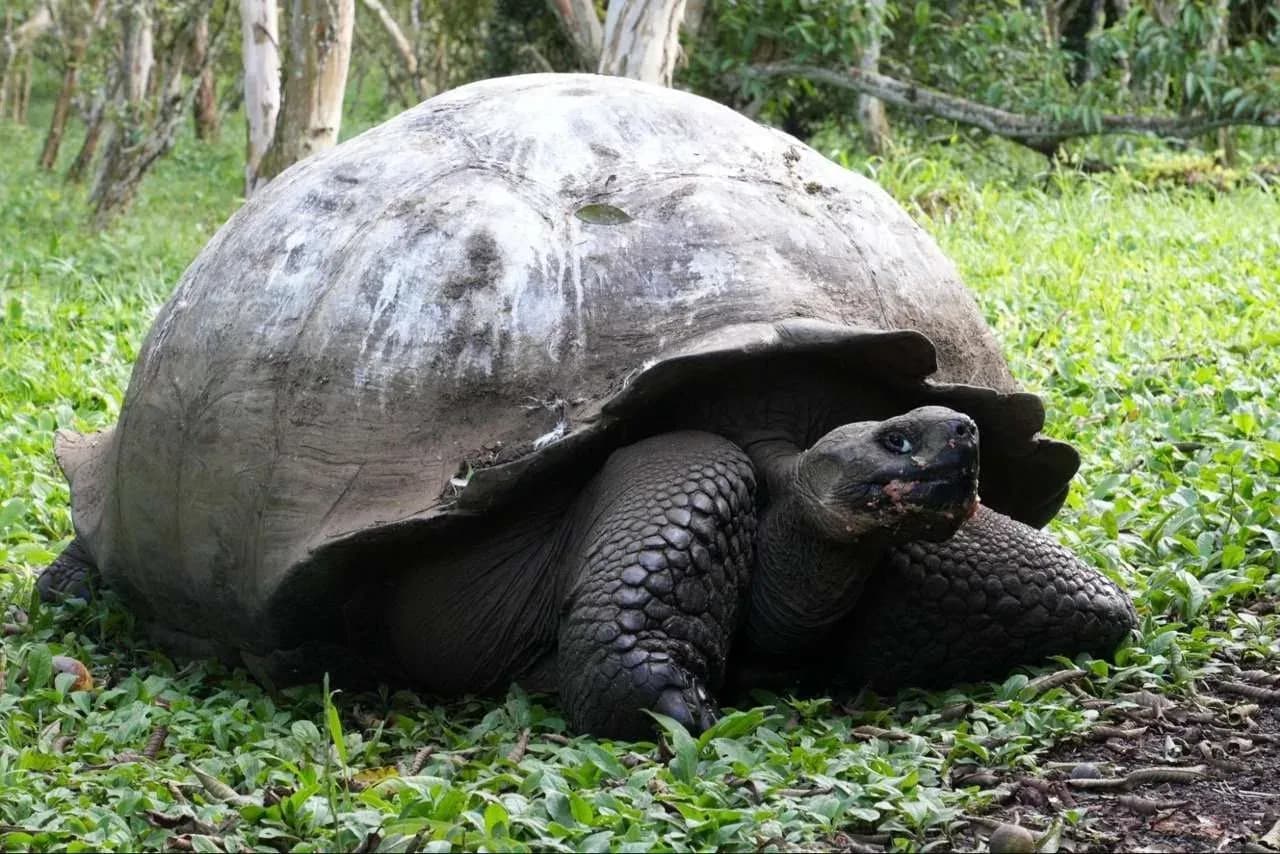
Galápagos Tortoise
Photo by Best Trip Ecuador
One of the main attractions of the Galápagos is its endemic wildlife. Here, you’ll find species that exist nowhere else on Earth. The most iconic is without a doubt the giant tortoise, which can live for over a century and weigh more than 250 kilograms (about 550 pounds). Seeing these tortoises in their natural habitat or at breeding centers like the one on Santa Cruz Island is a truly unforgettable experience.
Another famous resident is the marine iguana, the only one of its kind, which has developed the unique ability to swim and feed on algae in the ocean. The land iguanas, on the other hand, are striking with their vibrant colors and prehistoric appearance. Along the shores, sea lions lounge peacefully while the flightless cormorants—a rare evolutionary wonder—dive into the water to hunt.
Up in the sky, you’ll spot a wide variety of birds: frigatebirds with their bright red throat pouches puffed up, blue-footed boobies showing off their quirky courtship dance, pink flamingos wading through brackish lagoons, and, of course, the famous Darwin’s finches, whose variations helped inspire the British naturalist to develop his theory of evolution by natural selection.
A story of discovery and science
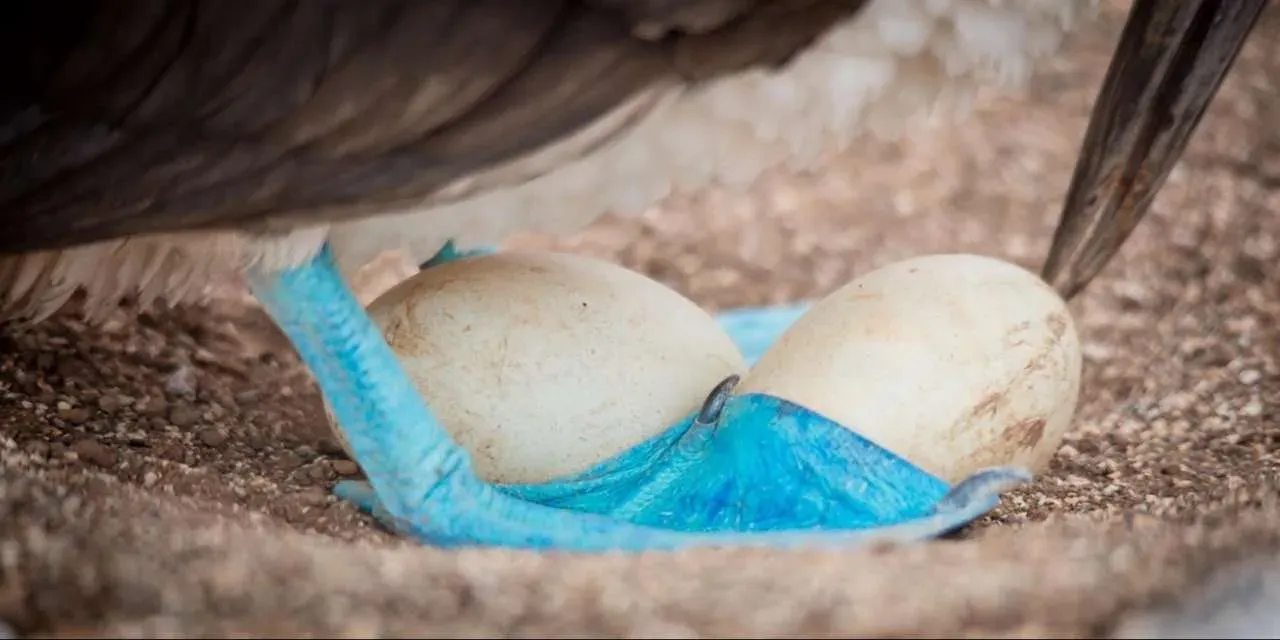
Blue-Footed Boobies
Photo by Ministerio de Turismo del Ecuador
Understanding the past is key to understanding today’s Galápagos, so up next you’ll find the most important historical milestones that have shaped the archipelago.
Discovery of the Galápagos Islands
The first European to reach the islands was Fray Tomás de Berlanga, the Bishop of Panama, on March 10, 1535, when his ship was blown off course by ocean currents while sailing from Panama to Peru. His description of the islands as “inhospitable” was no exaggeration—he encountered volcanic landscapes, scarce water sources, and strange reptiles.
Fray Tomás de Berlanga was the one who brought worldwide attention to the Galápagos Islands through his letters, which led to their inclusion on the earliest maps of South America. The Galápagos began appearing on maps as early as the 1530s, notably on those by Gerard Mercator (1569) and Theatrum Orbis Terrarum (1570). These maps marked the beginning of the spread of knowledge about the islands, which today enjoy global recognition.
Fray Tomás’s experience on the islands was a negative one, due to the harsh environment and lack of fresh water—an observation echoed in later accounts. Other Spanish explorers also found them largely unappealing. However, their strategic location and unique ecosystem eventually turned the islands into a refuge for pirates, a base for whalers, a subject of scientific study, a military outpost, and, ultimately, a tourist destination (Galápagos Conservancy, Inc., n.d., History of Galápagos).
Pirates and whalers
During the 17th century, the Galápagos Islands were used by pirates and buccaneers who targeted Spanish trade routes along the coast of South America. These sailors, often backed by European powers like England, France, and the Netherlands—each eager to weaken the Spanish Empire—saw the islands as a strategic base: close enough to their targets yet remote enough to allow for easy escape. Plus, the giant tortoises provided a reliable source of food. Among the most notable figures were Francis Drake, William Dampier, and William Ambrosia Cowley, who created the first map of the archipelago. Dampier, for his part, was one of the first to describe the Galápagos from a naturalist’s perspective when he published A New Voyage Round the World in 1697—the first English account of the islands.
Later, between the late 18th and early 19th centuries, British and American whalers began exploring the waters of the South Pacific after depleting whale populations in the Atlantic. In 1788, the company Samuel Enderby & Sons sponsored the first major whaling expedition in the Pacific. Thanks to their strategic location, the Galápagos became a key base for whaling operations, particularly due to the abundance of sperm whales and sea lions in the region.
As British and American whalers competed in the area, the Galápagos Islands played a central role in their expeditions. During the Napoleonic Wars, the whaling community underwent major changes, and control of the trade shifted to the Americans. Whalers also introduced animals like goats and pigs to the islands and conducted studies on the local tortoise populations.
However, whaling and the exploitation of sea lions and tortoises caused severe ecological damage. Populations of sperm whales and sea lions declined dramatically, and the tortoises were nearly wiped out. By the late 19th century, the whaling industry began to decline with the invention of kerosene, which reduced the demand for whale oil. Despite this, the Galápagos Islands had already suffered irreversible damage by that time (Galápagos Conservancy, Inc., n.d., History of Galápagos).
Charles Darwin and on the Origin of Species
However, the most important chapter in the history of the Galápagos Islands came in 1835 with the visit of Charles Darwin. Aboard the HMS Beagle, the young naturalist spent five weeks on the islands, collecting samples and observing the wildlife. The differences between similar species on different islands were crucial to his later development of the theory of evolution, which he published in 1859 in his groundbreaking work On the Origin of Species.
On the Origin of Species by Charles Darwin radically transformed the way we understand life by proposing the theory of evolution through natural selection, challenging the dominant idea of “special creation.” Based on observations he made during his visit to the Galápagos Islands, Darwin argued that if individuals vary in a particular trait, and if these variations result in different chances of surviving to the next generation, then over time, there will be more individuals with the traits that offer a greater chance of survival. This logical and revolutionary approach explained the distribution and diversity of species, providing a compelling answer to how life has evolved on Earth and establishing an enduring connection between Darwin and the Galápagos (Galápagos Conservancy, Inc., n.d., History of Galápagos).
Today, you can follow in Darwin’s footsteps by visiting iconic sites like the Charles Darwin Research Station in Puerto Ayora, where biological research and conservation programs are carried out. You can also visit the Interpretation Center on San Cristóbal Island to gain a deeper understanding of the human and natural history of the archipelago.
Conservation
The ecological importance of the Galápagos led Ecuador to declare the islands a National Park in 1959, and in 1978, UNESCO designated them a Natural World Heritage Site. Later, in 1998, the Galápagos Marine Reserve was established, protecting over 130,000 square kilometers (about 50,000 square miles) of ocean—one of the richest marine ecosystems in the world.
This protection has allowed species to recover and has helped keep the ecosystem healthy. However, threats such as the introduction of invasive species, climate change, and uncontrolled tourism still persist, making it essential for authorities, scientists, tour operators, and visitors to work together to ensure the islands’ ongoing conservation.
Responsible and sustainable tourism
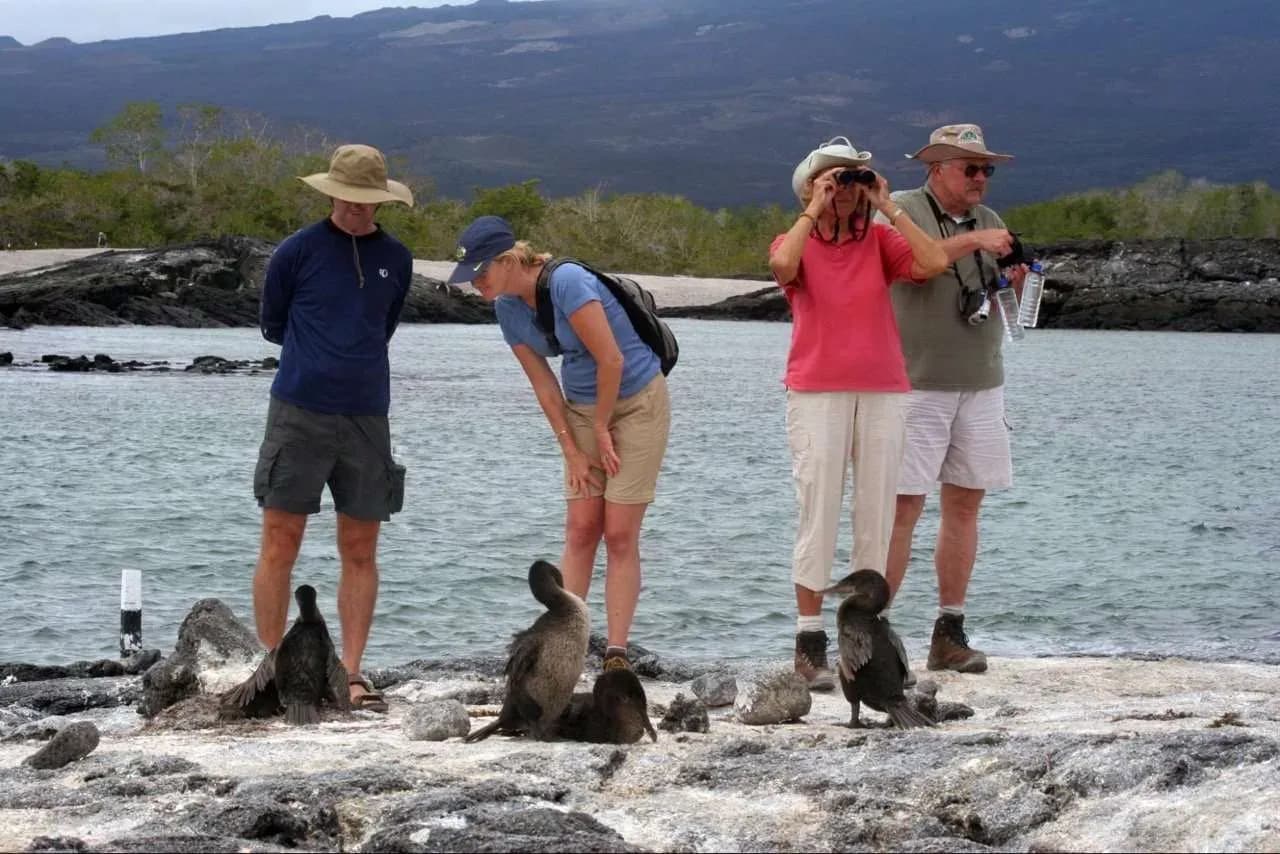
Photo by Ecuador’s Ministerio de Turismo del Ecuador
Traveling to the Galápagos means being a mindful tourist. The number of visitors is regulated by the Ecuadorian government, and access to certain areas is only allowed with authorized naturalist guides. Every activity is designed to minimize environmental impact while maximizing the visitor’s learning experience.
There are different ways to experience the islands. You can choose a cruise that visits several islands over the course of a few days, ideal for those seeking a more immersive adventure. Or you can stay on one of the inhabited islands, such as Santa Cruz, San Cristóbal, Isabela, or Floreana, and take daily excursions. Both options offer plenty of opportunities for outdoor activities, wildlife watching, and learning from expert guides.
In addition, many hotels and tour operators promote eco-friendly practices such as the use of solar energy, recycling, and sourcing food locally. Taking part in these initiatives is a great way to support the local economy and reduce your environmental footprint.
A destination that will change the way you see the world
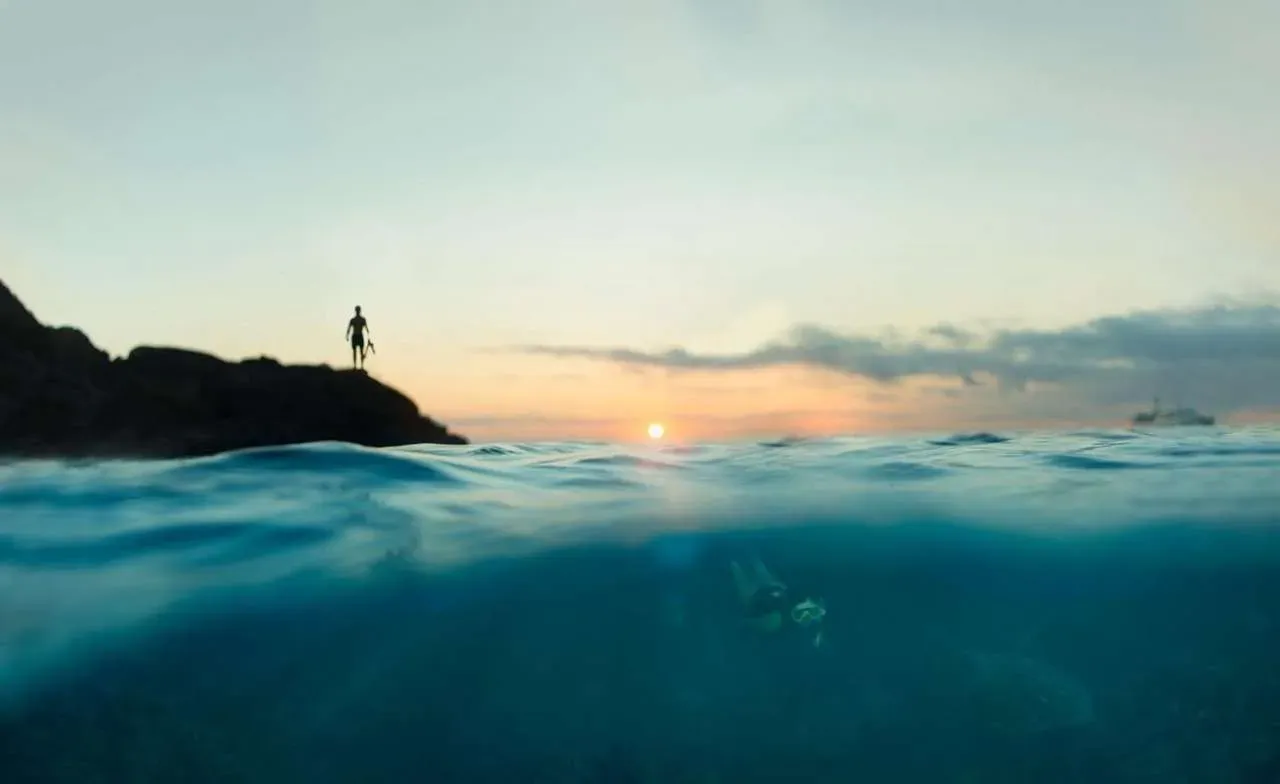
Tijeretas Beach
Photo by Ministerio de Turismo del Ecuador
If you’re thinking about living a truly unique experience—surrounded by untouched nature, incredible wildlife, and breathtaking volcanic landscapes—the Galápagos Islands are the perfect destination for you. Now that you know everything you need about the history of these extraordinary islands—from their volcanic origins to what you can expect from tourism today—we invite you to discover why the Galápagos are so much more than just a tourist destination. They offer a transformative experience, where nature reveals itself in its purest form, animals live without fear, and every corner teaches you a powerful lesson about how life evolves and adapts.
The Galápagos Islands are a place that has inspired groundbreaking scientific theories, captivated millions of travelers, and, thanks to mindful tourism, can continue to dazzle future generations. If you decide to embark on this adventure, get ready to discover a natural paradise that will leave an unforgettable mark on both your memory and your heart. We also recommend checking out our guides on how to get to the Galápagos and things to do on the islands.
The Galápagos Islands aren’t just a destination—they are a living reminder of the beauty, complexity, and fragility of our planet, and now you have the chance to be part of their ongoing story of conservation and wonder.
Explore Galapagos with our Galapagos Tours.
Frequently asked questions
Who tried to sell the Galápagos?
Several leaders proposed the idea of leasing or, alternatively, selling the Galápagos Islands to foreign powers during both the 19th and 20th centuries.
What is the mystery of the Galápagos Islands?
In 1929, German settlers arrived on Floreana Island, giving rise to numerous stories about the eccentric Dr. Friedrich Ritter, Dore Strauch, Baroness Eloise Wagner de Bosquet, and the Wittmer family. These tales ended in tragedy in 1934, when the baroness and one of her companions disappeared, Ritter died of food poisoning, and another settler was found mummified on Marchena Island. These events remain a mystery to this day (Galápagos Conservancy, Inc., n.d., History of Galápagos).
What happened in 1977 in the Galápagos Islands?
In 1977, a severe drought in the Galápagos Islands reduced the finch population by 15%, and it was observed that the survivors had slightly larger beaks, which allowed them to feed on tougher seeds. This change was interpreted as evidence of rapid evolution. However, after the El Niño event (1982–1983), which brought an abundance of food, the beaks returned to their original size.
This demonstrated that the size of the finches’ beaks fluctuates according to climatic conditions, but does not represent a permanent evolutionary change. Although Peter Grant suggested that such fluctuations could eventually lead to the emergence of new species within 200 years, his observations actually show a cyclical variability without any net transformation. Therefore, this case does not prove evolution in action, but rather a reversible adaptation within established limits (Protestante Digital – ConCiencia, 2022, The Finches of the Galápagos (II)).