Urbina Bay Galapagos: The geological treasure of the Galapagos where the ocean became land
Imagine walking on a coral reef that just 70 years ago lay beneath the Pacific waters. At Urbina Bay, on the west coast of Isabela Island, this extraordinary geological phenomenon awaits you along with some of the Galapagos’ most iconic creatures. This unique site, accessible only through specialized Galapagos cruises, represents an irreplaceable window into the tectonic processes that continue to shape these volcanic islands. Below, we’ll tell you everything you need to know about this destination that exceeds expectations.
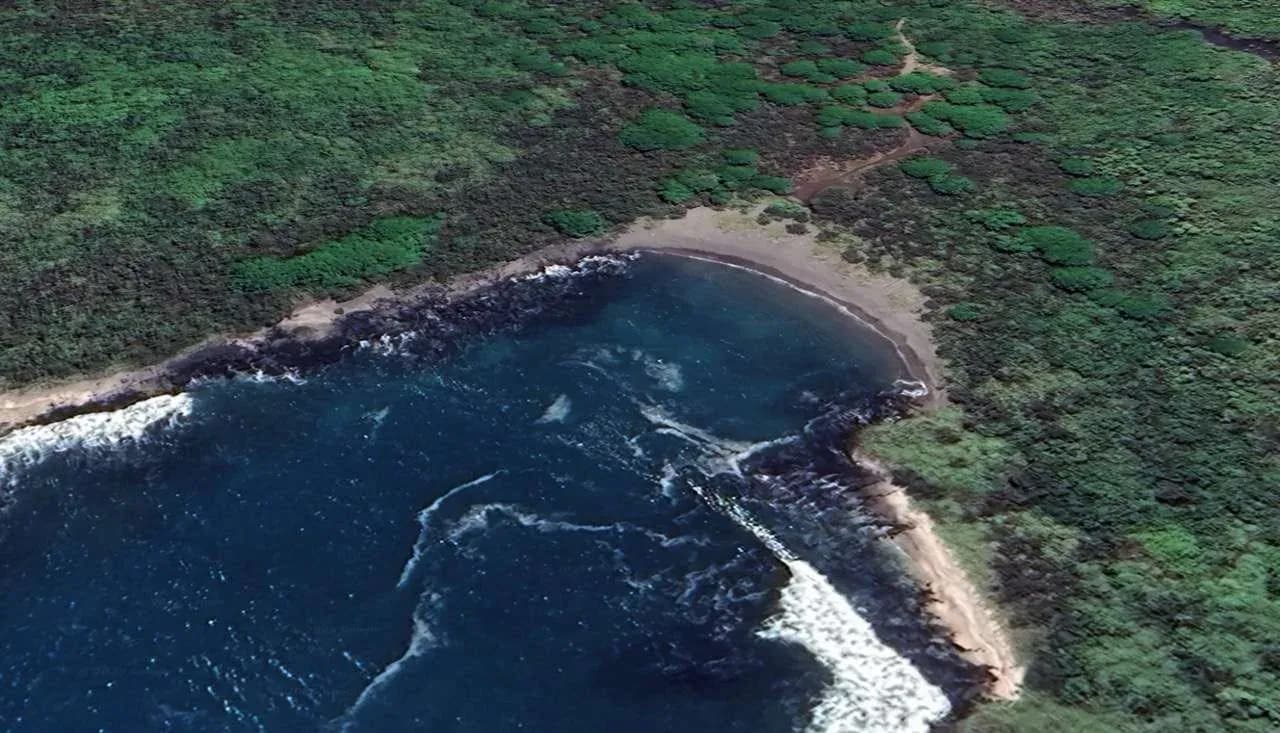
Cover Photo: Urbina Bay. Photo by Google Earth, 2023
What is Urbina Bay and why is it unique in the world?#
Urbina Bay is an exceptional visitor site located at the base of Alcedo Volcano, where in 1954 one of the most dramatic geological events documented in history occurred: a sudden tectonic uplift raised 6 kilometers of seafloor more than 5 meters in a single night, extending the coastline almost a kilometer seaward.
This extraordinary phenomenon left an entire underwater world exposed: coral heads as tall as a person, remains of sea urchins, and lava formations over 1,200 years old. Today, as you explore the trails of Urbina Bay, you literally walk on what was the ocean floor, observing how nature has reclaimed this new territory with a fascinating mix of fossilized marine life and vibrant terrestrial fauna.
In other words, visitors to Urbina Bay will traverse “substrates of sand, pumice stone, lava, corals, and plant formations; [and] can also [observe] land iguana burrows” (Galapagos Ecological Airport (n.d.). Urbina Bay).
The extraordinary fauna of Urbina Bay#
Land iguanas: The golden dragons of Isabela
The land iguanas (Conolophus subcristatus) of Urbina Bay are notably the largest in the entire archipelago, reaching sizes that surprise even the most experienced guides. Their brilliant golden coloration, especially intense during mating season, creates a spectacular contrast with the black volcanic landscape.
These magnificent reptiles, classified as Vulnerable by the IUCN, roam confidently along the trails, completely indifferent to human presence. Watching them feed on cactus flowers and fruits, or basking in the sun on lava rocks, offers exceptional photographic opportunities that capture the wild essence of the Galapagos.
Giant tortoises in their natural habitat
Urbina Bay is a great site for observing completely wild giant tortoises. Here lives the subspecies Chelonoidis vandenburghi, from Alcedo Volcano, with a population of approximately 6,300 individuals. Between December and May, these prehistoric giants descend from the highlands, creating photographic opportunities that simply don’t exist in breeding centers.
Unlike other sites where tortoises are in semi-captivity, at Urbina Bay you’ll find them wandering freely through their ancestral territory, feeding on native vegetation and behaving exactly as they have for millennia.
The emerged coral: A geological phenomenon that time is erasing#
The long trail of 3.2 kilometers (1.98 miles) takes you to the emerged coral, where coral heads that once thrived beneath the sea now stand as natural monuments to the geological force of the islands. These formations, some the size of a person, are experiencing a natural deterioration process after 70 years of exposure to the elements.
Each passing year, wind and rain erode these unique structures a bit more, gradually turning them into sand and sediment. Scientists from the Charles Darwin Foundation have documented how these coral formations represent an invaluable geological archive, but they also recognize that they are ephemeral in geological terms. Visiting them now means witnessing a unique chapter in the natural history of the Galapagos that future generations will only know through photographs.
Marine life: Where penguins swim with sea turtles#
The crystal-clear waters off Urbina Bay harbor impressive marine biodiversity. During optional snorkeling, it’s common to encounter Galapagos penguins (Spheniscus mendiculus), the only penguin species living north of the equator. These agile swimmers, classified as Endangered, share the waters with green sea turtles, golden eagle rays, and occasional whitetip reef sharks.
The flightless cormorant (Nannopterum harrisi), endemic to Isabela and Fernandina, frequents these coasts. With a worldwide population of just 1,000 to 2,085 individuals, watching these unique birds drying their atrophied wings in the sun after diving for fish is witnessing millions of years of evolution in action.
When to visit Urbina Bay?#
Below, we’ll tell you about the seasons and conditions for visiting Urbina Bay.
December to February: The golden window
The months of December to February represent optimal conditions for visiting Urbina Bay. The sea remains calm, facilitating the wet landing that can be challenging at other times. Water temperatures range between 72 and 75°F, perfect for snorkeling without needing a thick wetsuit. During these months, giant tortoises are more active and the vegetation looks lush green thanks to occasional rains.
June to November: Intense marine adventure
The cold season brings colder waters (66-70°F) but also an explosion of marine life. Nutrient-rich currents attract large schools of fish, which in turn attract larger predators. However, strong swells can make landing difficult, as experienced cruises report. If you choose to visit during these months, prepare for more challenging conditions but potentially more rewarding for marine life sighting.
For more details on when to travel, check out our complete guide on the best time to visit Galapagos.
How to get to Urbina Bay? The exclusivity of cruise access#
It’s essential to understand that there are no day tours to Urbina Bay from Puerto Villamil. This pristine site is only accessible through authorized cruises operating 4 to 8-day itineraries. The wet landing directly on the black sand beach requires jumping from the pangas into the water, so it’s essential to bring appropriate footwear and waterproof protection for electronic equipment.
Specialized Galapagos tours that visit Urbina Bay typically combine it with other spectacular Isabela sites like Tagus Cove and Punta Vicente Roca. Contact us and we’ll design a perfect Galapagos trip for you.
Conservation and future: Protecting a living natural laboratory#
Urbina Bay forms an integral part of Galapagos National Park. Conservation efforts, including the successful Isabela Project that eradicated invasive species, have allowed the remarkable recovery of native populations.
Visitors play a crucial role in preserving this unique site, so park rules must be strictly followed: maintain 2 meters distance from wildlife, stay on designated trails, and don’t touch the emerged coral. Every photograph taken, every story shared, helps create awareness about the importance of protecting these unique ecosystems for future generations.
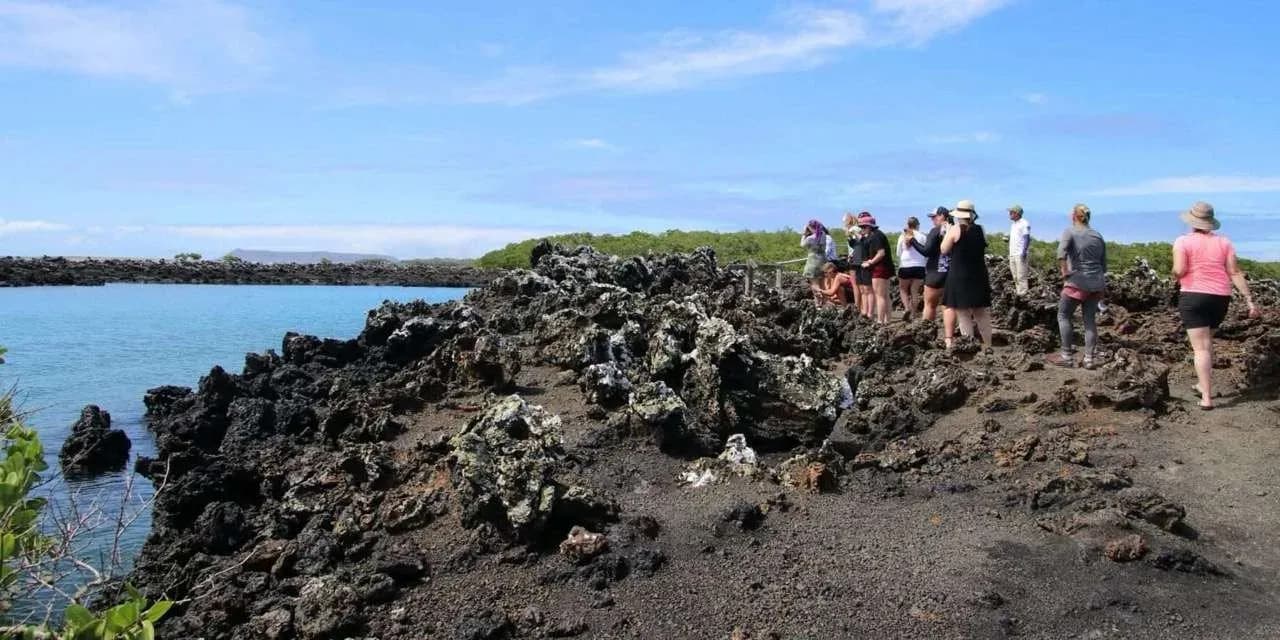
Photo by Explorer Chick
Urbina Bay is not simply another point on a Galapagos itinerary; it’s a transformative experience that combines dramatic geology, intimate encounters with iconic fauna, and the unique opportunity to walk on the emerged seafloor. As the coral continues its slow erosion process and giant tortoises maintain their ancestral migration routes, each visit to this extraordinary site offers a unique perspective on the forces that continue to shape our planet.
For those fortunate enough to include Urbina Bay in their Galapagos adventure, the site offers more than spectacular photographs and wildlife sightings. It provides a tangible connection with the geological processes that created these enchanted islands and a powerful reminder that the Galapagos remains a living laboratory of evolution and constant change.
Contact us and we’ll plan your visit to this destination that transcends expectations. Also, remember to check out all our Galapagos tours, choose your ideal adventure and enjoy a trip planned down to the last detail, with certified naturalist guides and personalized attention.
Additionally, check out more options to explore the enchanted islands through our Galapagos tours; and learn more about what to do in the Galapagos and what to do in Isabela.