Traditional Food of Quito: Discover the City’s Culinary Heritage
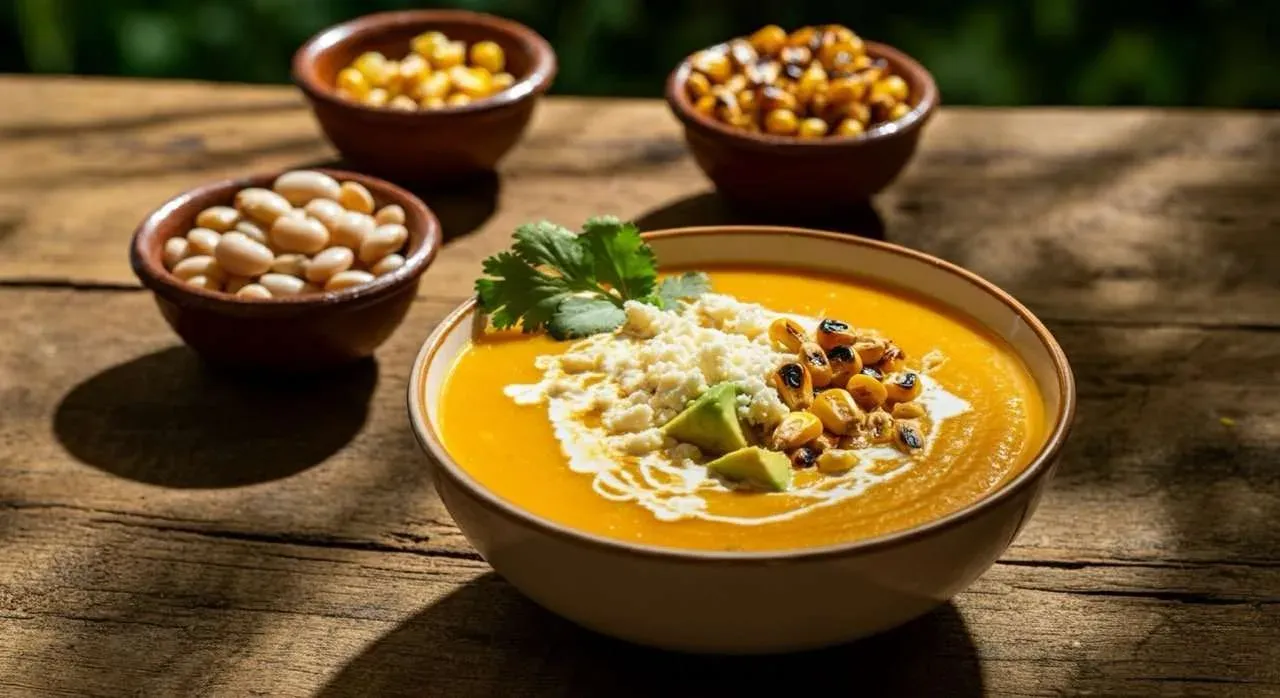
Quito, the capital of Ecuador, is a city that stands out for its rich history, Andean landscapes, and varied and delicious gastronomy. The typical dishes of Quito reflect the traditions, cultural heritage, and culinary creativity that have endured over the centuries. From comforting soups to exquisite desserts, Quito cuisine offers a unique experience that combines native ingredients, ancestral techniques, and a contemporary touch. This gastronomic tour will tell you about Quito’s typical dishes, desserts, and drinks. Together, we will explore the flavors that make Quito an unmissable destination for lovers of good food.
Cover photo by:
Locro de papas quiteño. Photo generated by ImageFx.
Typical foods of Quito #
Quito’s gastronomy is rich, diverse, and deeply rooted in tradition. It blends authentic Andean flavors with colonial influences, creating a unique culinary experience. Below, we highlight some of the city’s most iconic traditional dishes.
Locro de papas quiteño
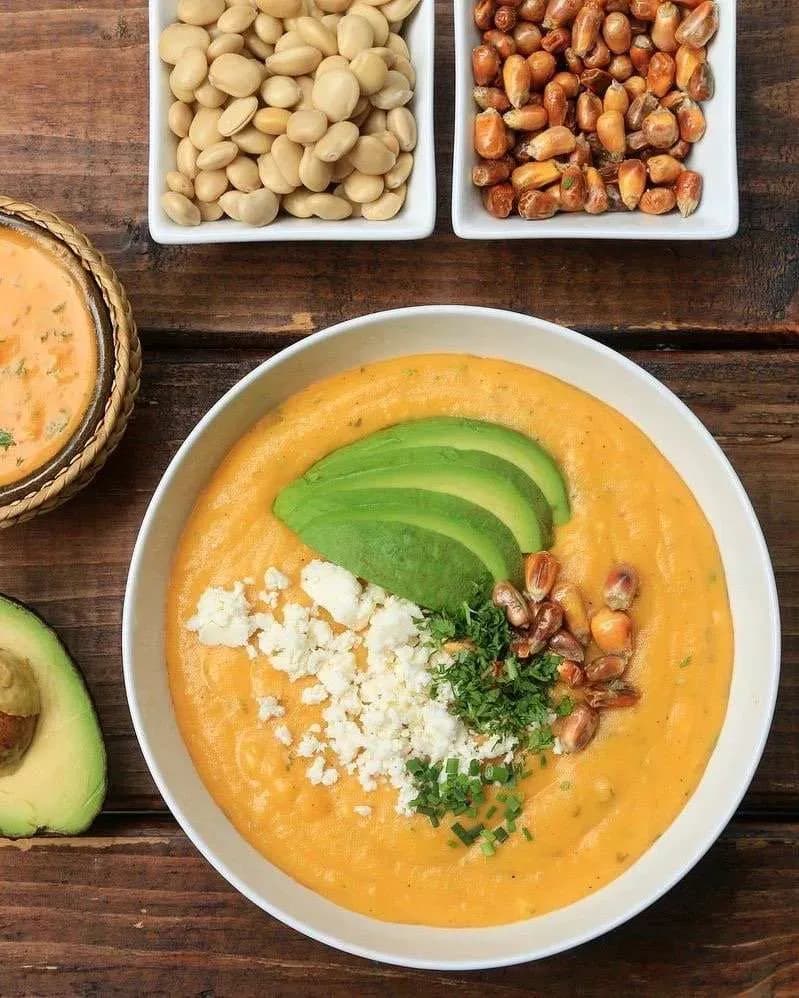
Locro de papas
Photo by laylita_com on Instagram.
If you visit Quito, you must try locro de papas, one of the most representative dishes of the gastronomy of Quito and Ecuador. It is a thick soup made with potatoes and fresh cheese seasoned with onion, garlic, annatto, and cumin. Traditionally, it is served with avocado and chili, highlighting its flavor even more.
The locro de papas is an inheritance from pre-Columbian times, as the potato is a fundamental food of Andean cultures. It is especially popular during the capital’s festivities and is considered a dish that reflects the region’s cultural identity and warmth. Preparing it is an act of celebration, and more than a simple meal, it is a symbol of Andean tradition.
Hornado
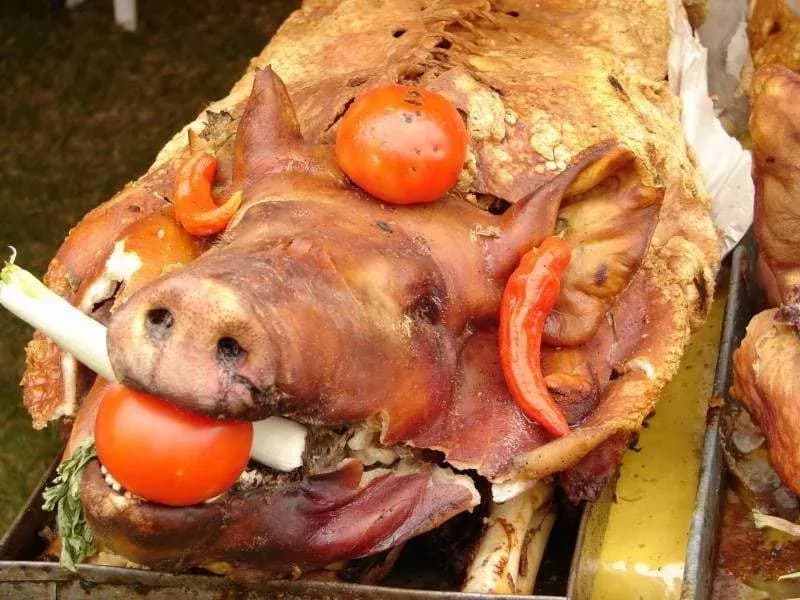
Hornado
Photo by Diego Trira from CC BY-SA 2.0 via Wikimedia Commons.
The hornado is an emblematic dish of the capital’s gastronomy, particularly appreciated in the Sierra region of Ecuador. It consists of pork slowly roasted in an oven, previously marinated with a mixture of traditional spices such as garlic, cumin, and annatto, which gives it its characteristic flavor and golden color.
It is accompanied by mote, llapingachos (potato tortillas), avocado, and a salad (pickled onion and tomato). A portion of crispy leather is often added as a complement. This dish stands out not only for its culinary richness but also for its importance in family gatherings and festivities. It is a sample of Quito’s cultural and culinary heritage.
Fritada
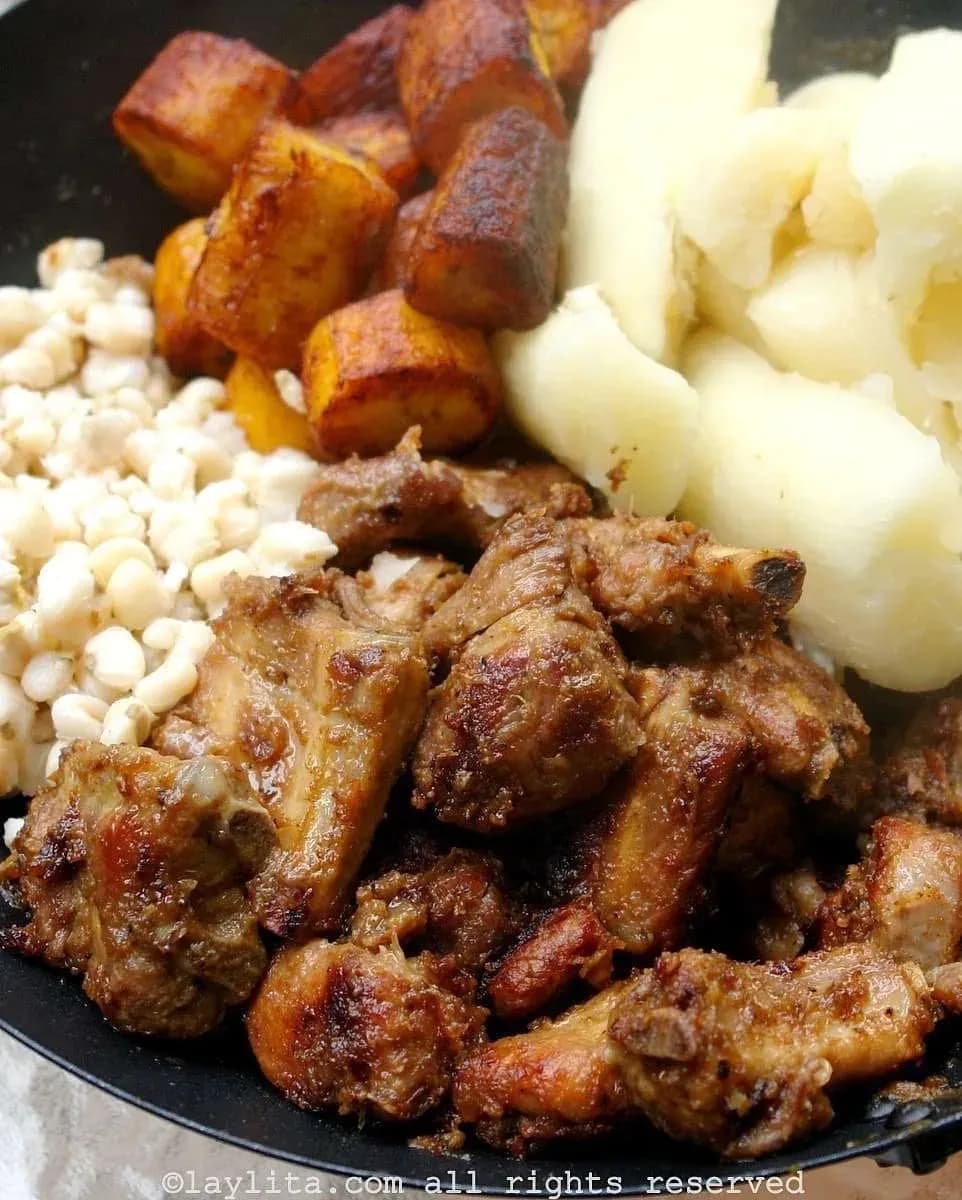
Fried pork with cassava, fried ripe plantains, and mote.
Photo by laylita_com on Instagram.
Fritada is another of the most representative dishes of Quito gastronomy. It is pork simmered in water along with garlic, onion, salt, and spices such as cumin and annatto. During the process, the water evaporates, allowing the meat to brown in its fat, giving it an intense flavor and a juicy, crispy texture. It is accompanied by mote, corn, fried ripe plantains, potatoes, and a fresh salad (pickled onion and tomato). Fritada is a culinary delight and an expression of the traditions and flavors that unite Quito families in celebrations and Sunday lunches.
Yahuarlocro
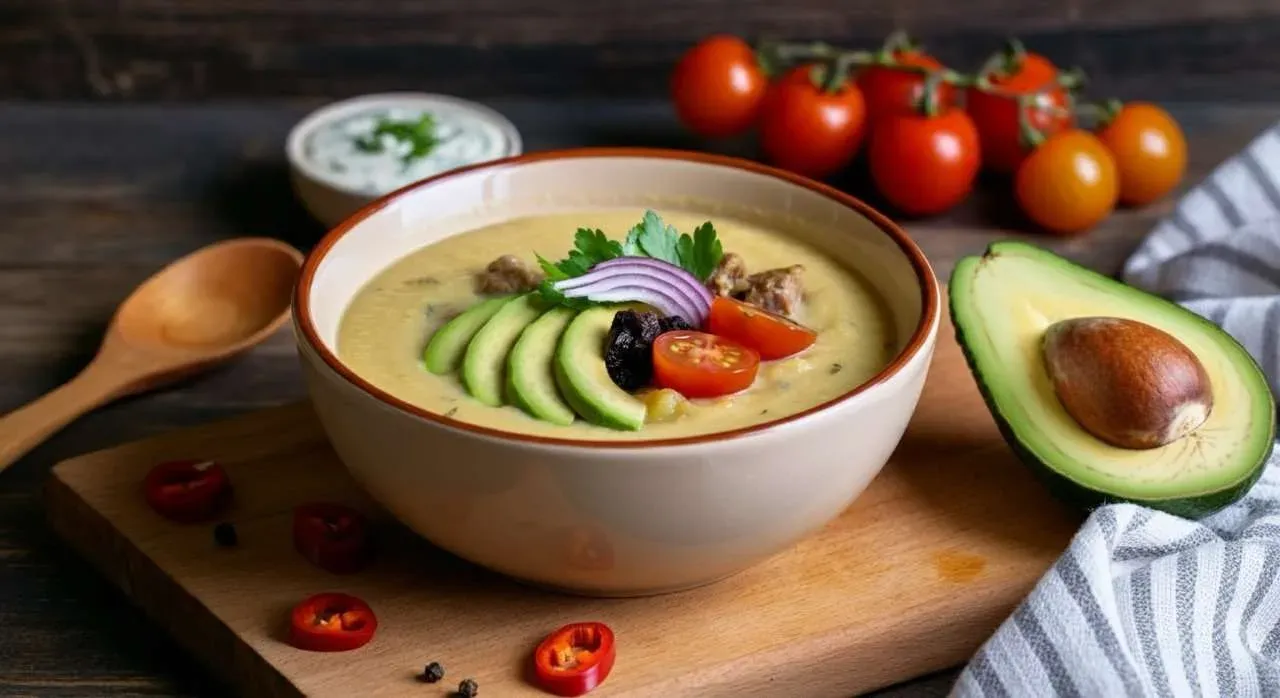
Yahuarlocro
Photo generated by ImageFx.
Yahuarlocro or yaguarlocro is a traditional soup from the Ecuadorian Sierra, especially popular in Quito and its surroundings. Its name comes from Kichwa, where “yahuar” means blood and “locro” refers to that thick soup typical of the Andean region we discussed previously.
This dish combines young potatoes, milk, and spices, creating a creamy and comforting texture. What distinguishes yahuarlocro is the incorporation of lamb viscera, such as intestines and belly, and a special sauce based on cooked blood, which is served separately and adds a unique touch of flavor. It is accompanied by avocado, chopped onion, and, sometimes, toasted corn. This dish is a symbol of Ecuador’s cultural and culinary richness.
Corvina Frita (Fried croaker fish)
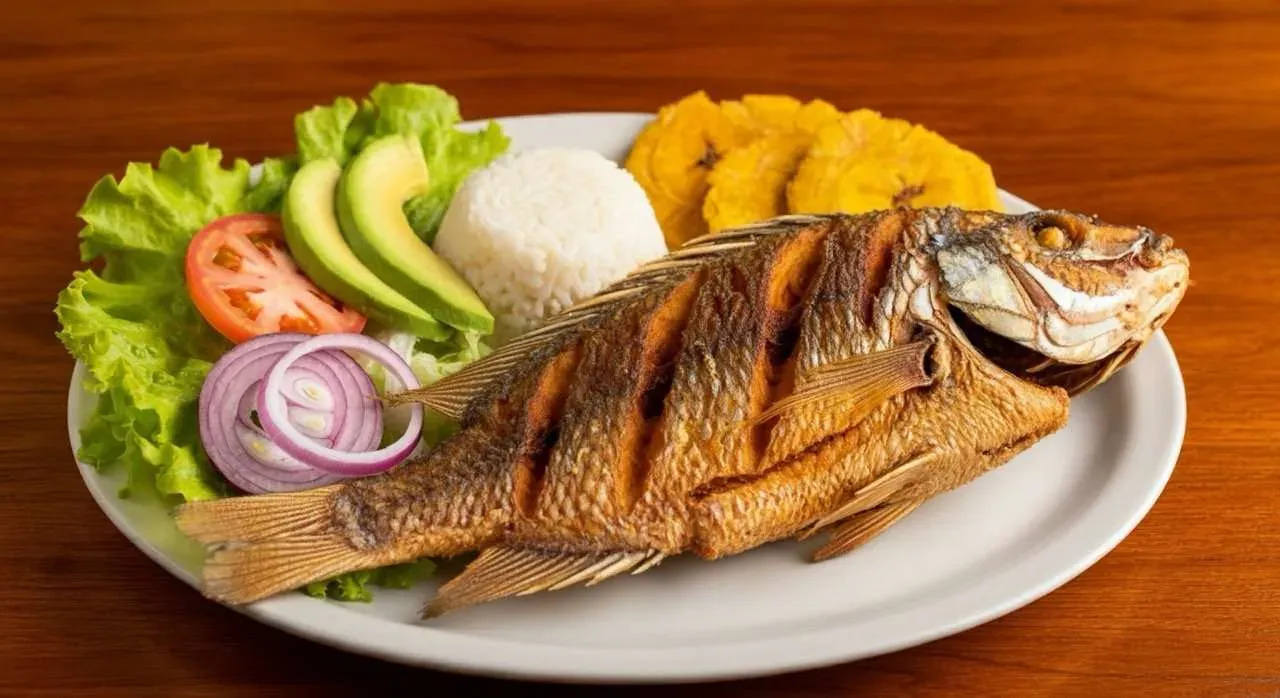
Fried croaker fish
Photo generated by ImageFx.
Corvina frita is a dish from Quito’s gastronomic tradition. It is generally enjoyed in the city’s markets. The sea bass is fried in large pans with extremely hot oil, while large pieces of potatoes are cooked, and rice is prepared in other pots. Once ready, the sea bass is bathed in different types of ceviches. People usually accompany this dish with one of the various juices sold in the same markets.
Caldo de patas
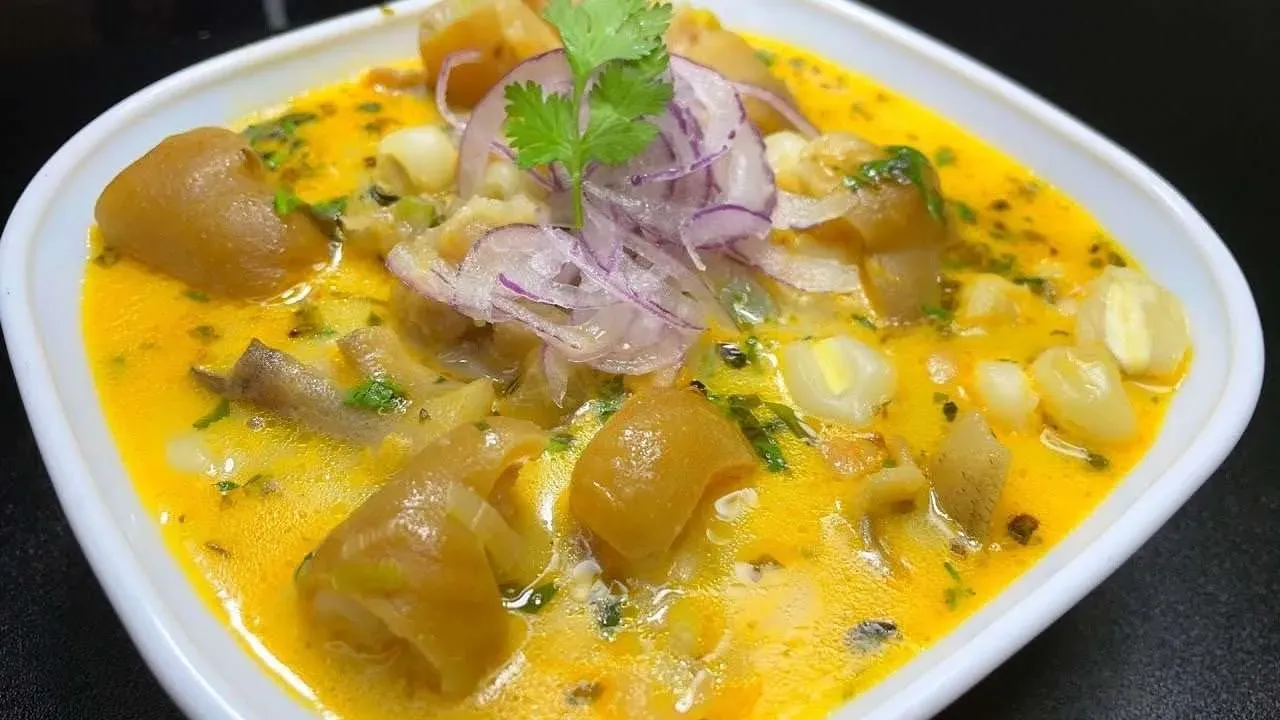
Caldo de patas
Photo by Cocina Facilito con ISA on YouTube.
Caldo de patas is a soup made with beef shank, mote, ground toasted peanuts, cilantro, parsley, onion, garlic, annatto, cumin, oregano, and milk. Although it is a characteristic dish of Quito and Ecuadorian cuisine, “its origins date back to Colombian migrants who arrived in the country and shared their customs. This dish gained great popularity in the 1980s when trade relations between the two countries were at their best since merchants from provinces near the border traveled to the neighboring nation to acquire the exclusive cattle legs to prepare the dish” (Primicias, 2024. Caldo de patas).
Empanadas de Viento
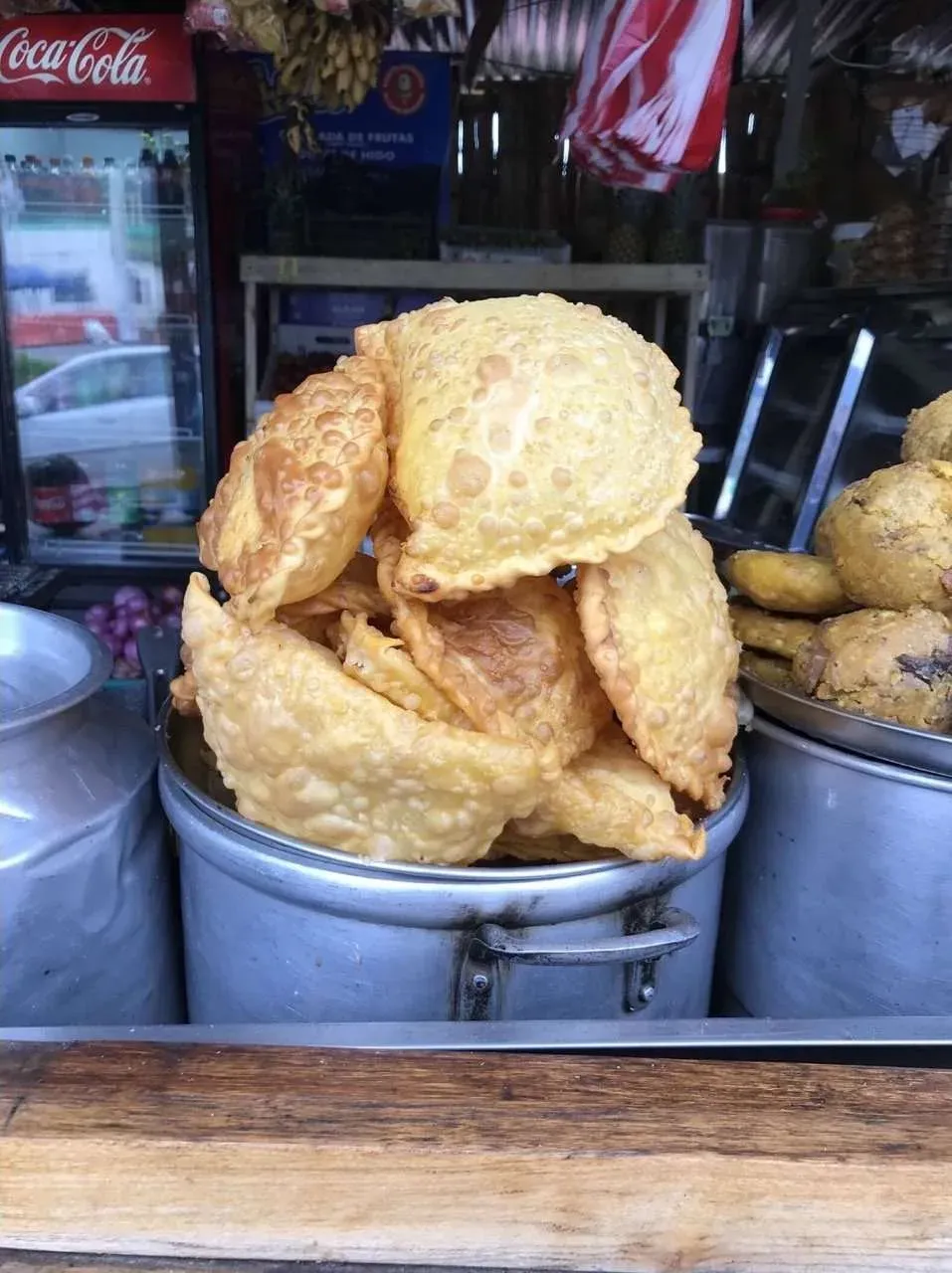
Empanadas de Viento
Photo by BryanGuev13, CC BY-SA 4.0, via Wikimedia Commons.
Empanadas de viento are a traditional delicacy of Ecuadorian gastronomy, especially popular in the capital. Their name comes from their airy and light texture, as the cheese filling takes up little space compared to the dough. They are characterized by soft, light dough filled with air instead of solid ingredients, which gives them a spongy and crispy texture when fried.
These empanadas are usually sprinkled with sugar, which gives them a sweet touch. They are the perfect complement to coffee or hot chocolate. Empanadas de viento are ideal for breakfast or as a snack, and their light and pleasant flavor makes them a true culinary gem of Quito.
Empanadas de Morocho
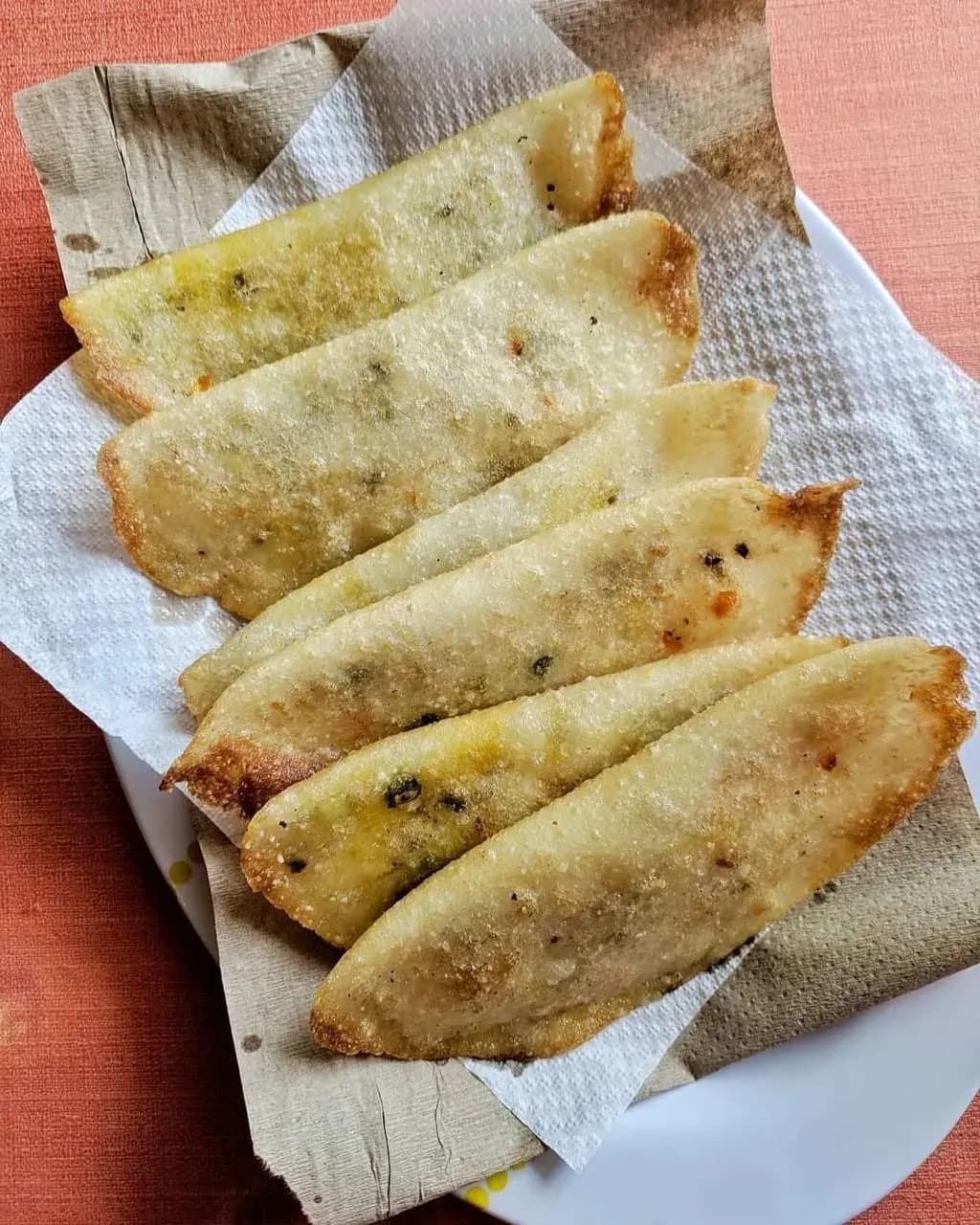
The traditional and delicious empanadas de morocho.
Photo by laylita_com on Instagram.
Empanadas de morocho are a specialty of local gastronomy. They stand out for their unique flavor and crunchy texture. They are made from morocho flour, coarsely ground yellow corn. They are often filled with cheese or ground beef, peas, carrots, and rice.
The dough is fried until it is crispy on the outside and soft on the inside, making it an irresistible snack. They are usually accompanied by chili and enjoyed for breakfast or as a snack with a hot drink. They are extremely popular at festivals, traditional city markets, and stadiums during football games.
Pernil sandwich (Roast pork)
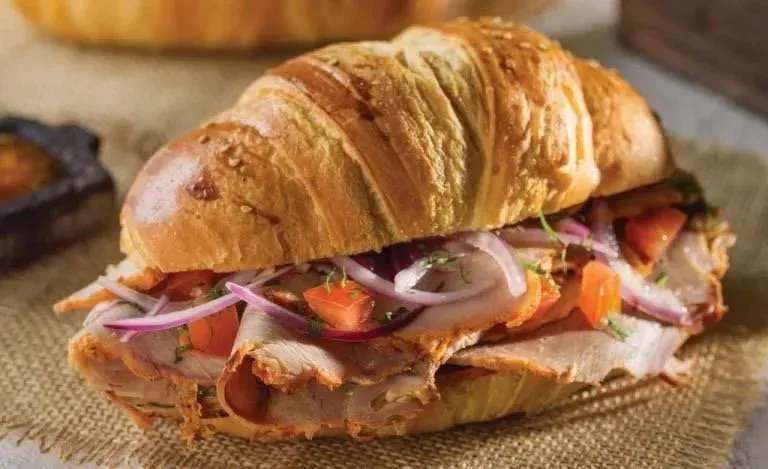
Ecuadorian pork sandwich
Photo by Revista La vida al máximo, Maxi Online – Corporación Favorita.
These delicious pernil sandwiches contain bread, pernil, mayonnaise, lettuce, tomato, onion, and chili. They are considered a Quito specialty and must be tried if you visit the city. They are usually served with a glass bottle of soda or blackberry juice.
Tamales
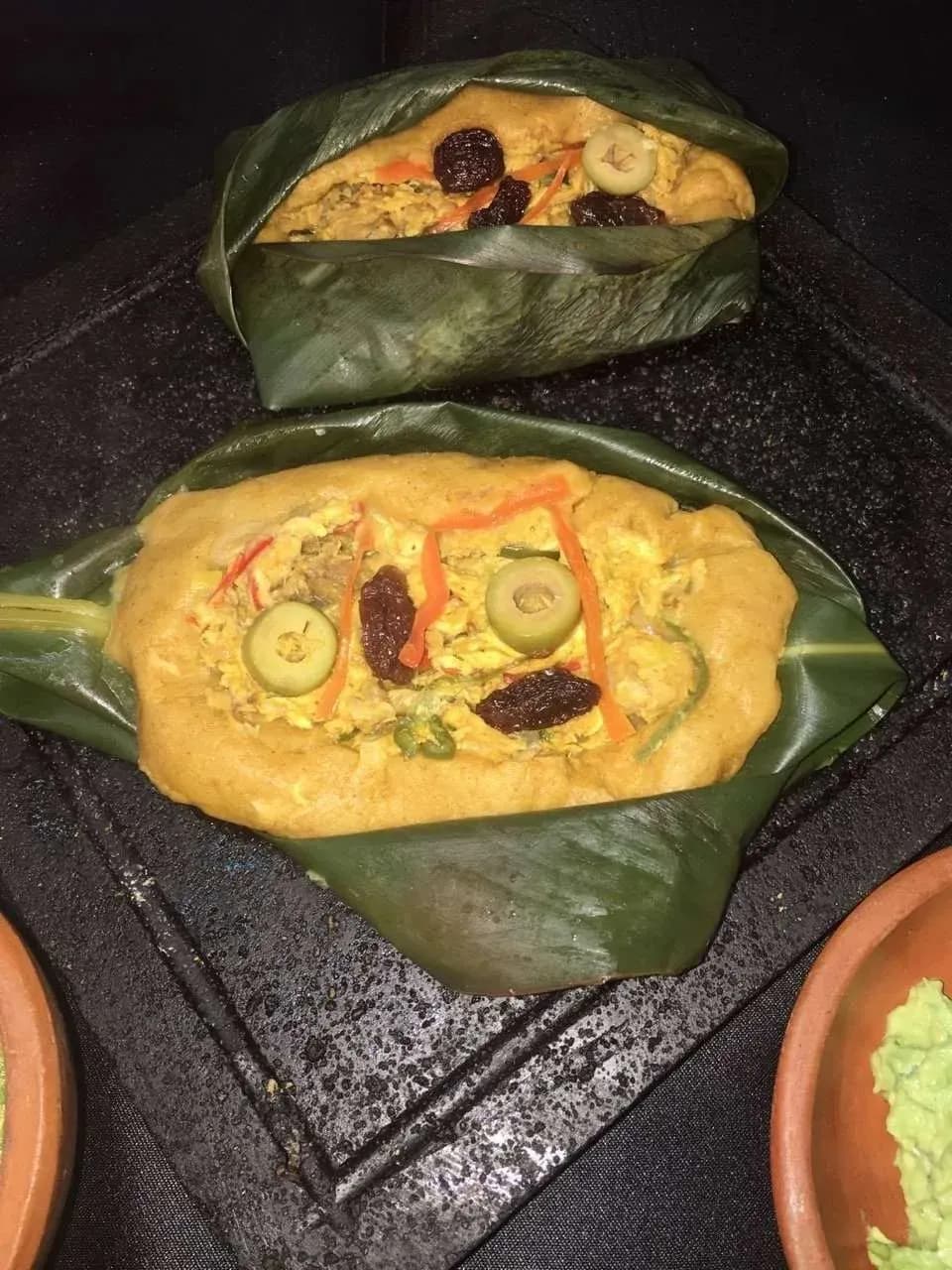
Tamales
Photo by Maryte Peralta, CC BY-SA 4.0, via Wikimedia Commons.
Quito tamales are a perfect mix of sweet and salty. They are prepared with corn flour cooked in broth and butter and filled with raisins, peppers, parsley, and a protein of your choice (chicken, leather, chicharrón). The flour is usually kneaded by hand with lard, panela honey is used, and the tamales are wrapped in an achira leaf.
Humita
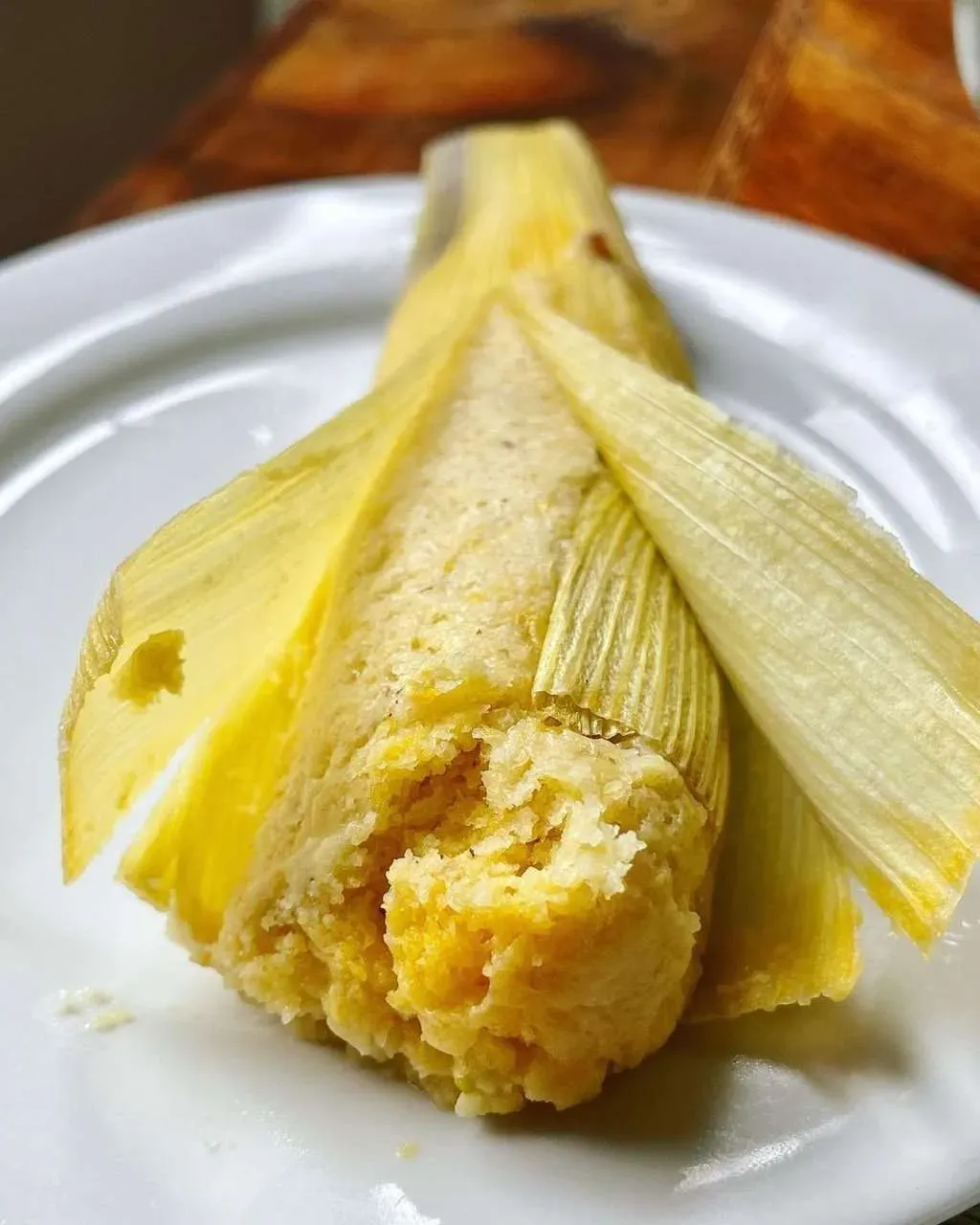
Humita
Photo by laylita_com and Instagram.
Humitas are a treasure of traditional Ecuadorian gastronomy. They are mainly made and consumed in the highlands region. They are prepared with fresh ground corn, cheese, and butter. They are carefully wrapped in steamed corn husks, obtaining a soft texture and an unmistakable flavor.
Humitas are ideal for breakfast or snacks and are generally accompanied by a cup of coffee. They can be found in supermarkets and cafes throughout the city.
Ceviche de Chocho (Cevichocho)
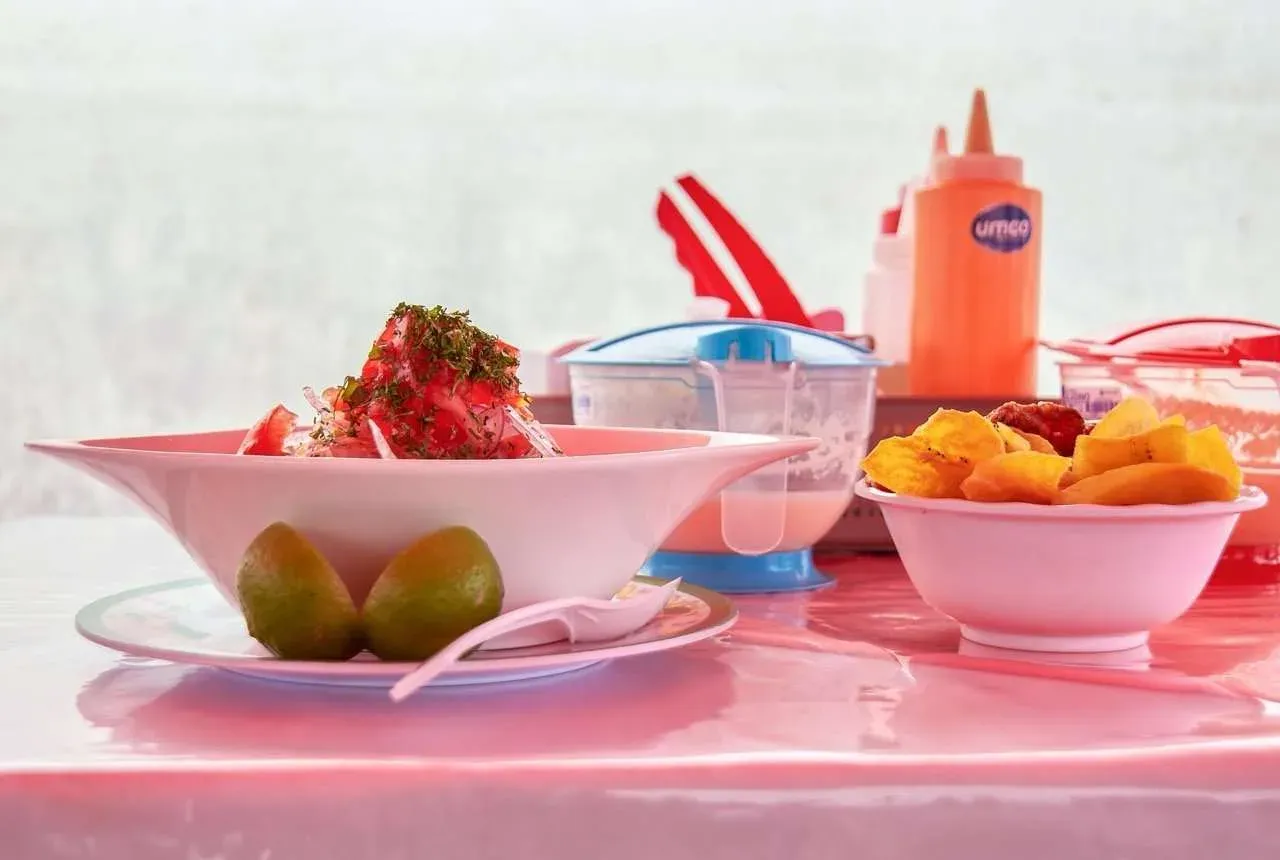
Cevichocho
Photo by Diego Mejia on Pixabay.
Cevichocho is one of the simplest and healthiest dishes in Ecuadorian cuisine. It emerged more than 20 years ago in the capital of the province of Chimborazo, and its most traditional form is prepared with chochos, tomato juice, pork skin, onions, and minced meat. Generally, it is accompanied by a mighty chili, canguil, and toasted corn. Although this dish was born in Chimborazo, nowadays, it is very typical to find it in Quito, and it is usually sold in parks, squares, streets, restaurants, etc.
Cevichocho is a tasty and nutritious dish. Due to its high protein, vitamin, calcium, and mineral content, it is one of the most beneficial legumes for health. It comes from the plant Lupinus mutabilis, which is of American origin and grows in the Andes.
Cuy Asado
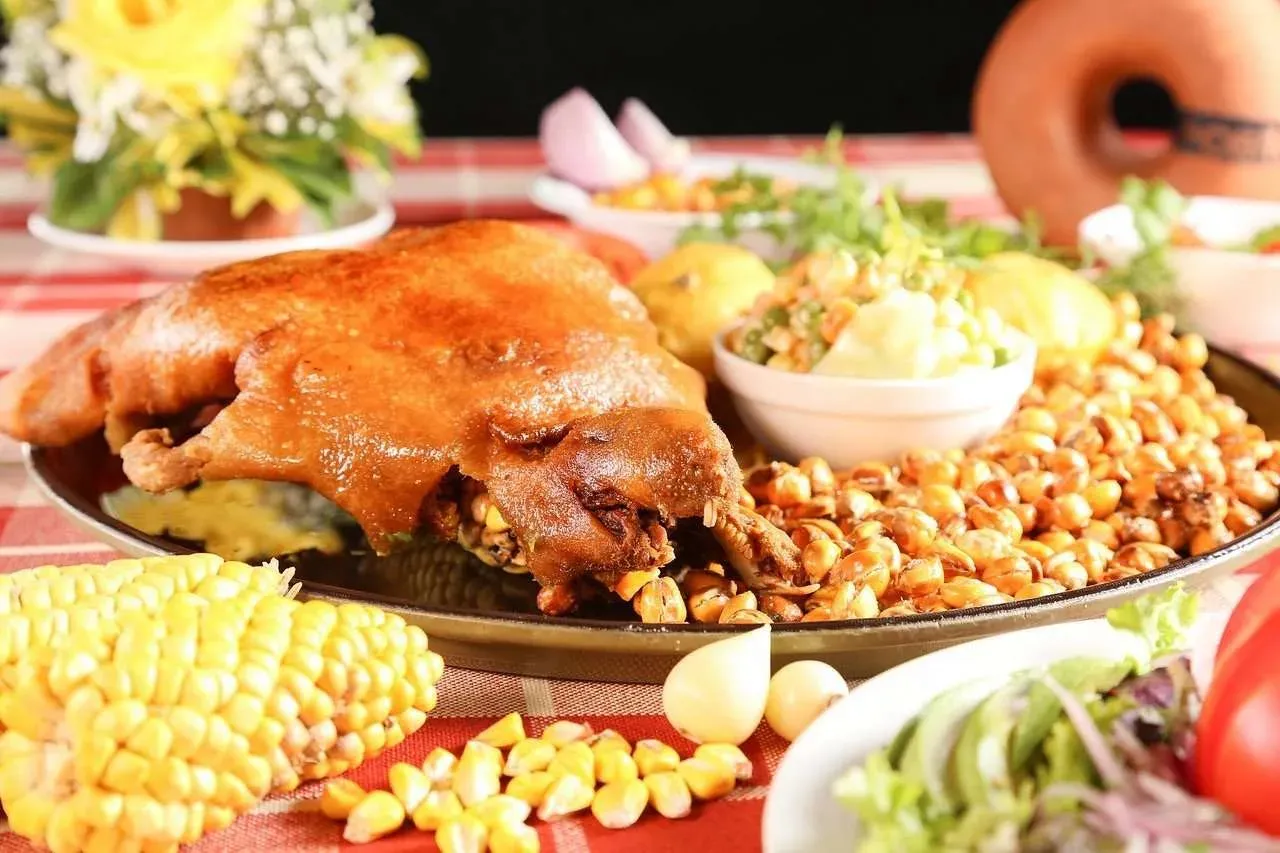
Cuy asado
Photo by Marcelo Trujillo on Pixabay.
This typical dish consists of roasted guinea pig, potatoes, and peanut sauce. In the Andes, roasted guinea pig has a deep cultural meaning and is considered a delicacy on special occasions. Its preparation symbolizes respect and celebration.
Traditional desserts from Quito #
Now that you know more about Quito’s typical foods, we will introduce you to the city’s most characteristic desserts.
Espumilla
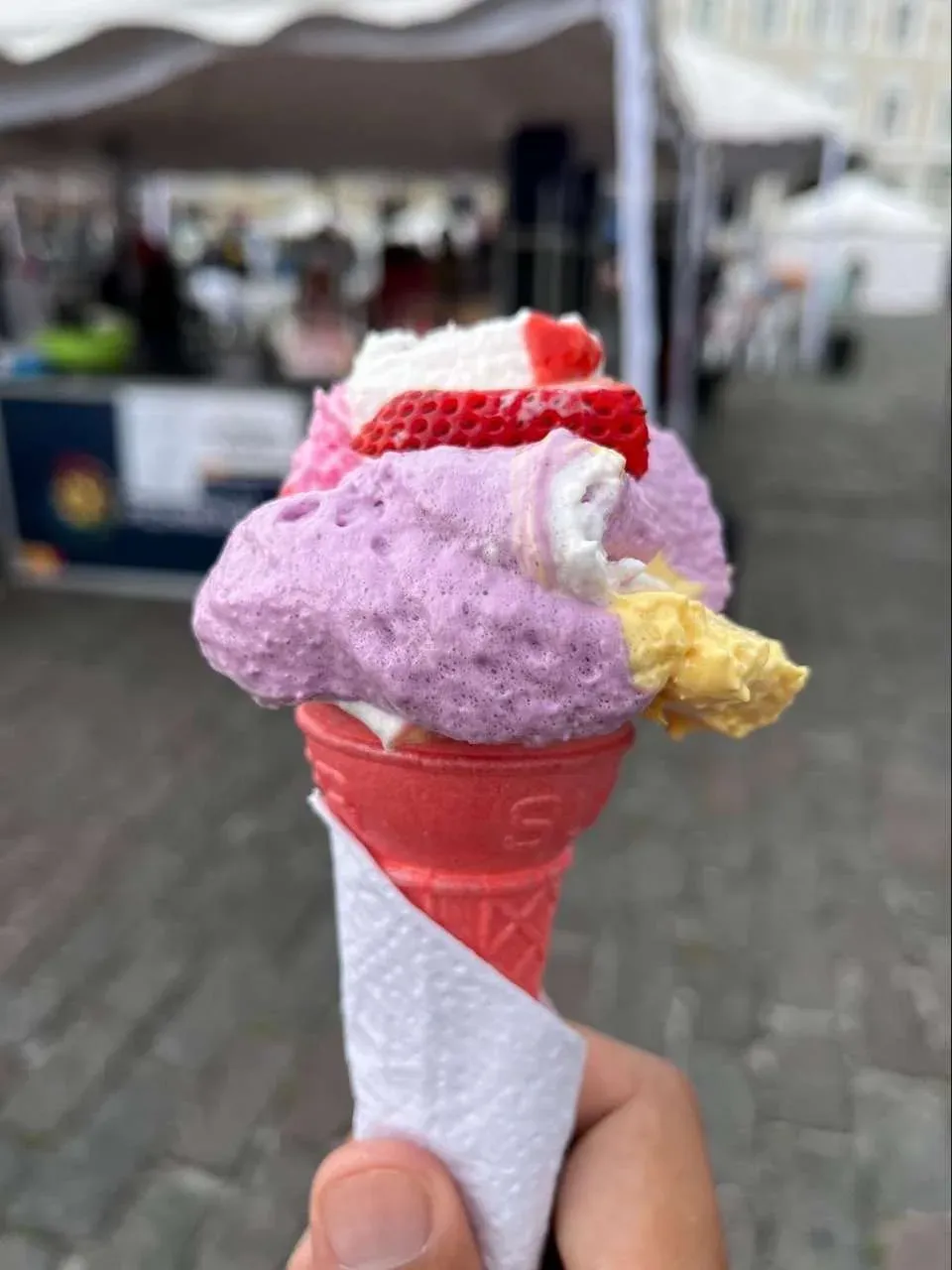
Espumilla
Photo by LittleT889, CC BY 4.0, via Wikimedia Commons.
Espumilla is considered one of the traditional desserts in the Ecuadorian capital’s cuisine. This dessert looks like ice cream but has the peculiarity that it does not melt and is very easy to prepare. It is known that this dessert was a culinary product introduced through the convents. Its mixture with local fruits, such as guava, has made it part of the gastronomic traditions of Quito and the country. Read more about the Ecuadorian espumilla in our note.
If you visit Ecuador, we recommend trying the incomparable espumillas sold by street vendors, especially in streets, squares, parks, and markets.
Ponche (punch)

Ponche de carreta.
Photo by Ecuador in Bites on their website.
We recommend trying the iconic punch if you visit Quito’s historic center. This dessert is made from malt, egg whites, sugar, and vanilla. It is marketed by the famous ponchos, who are easily recognizable by their white apron attire and cars.
Paila ice cream
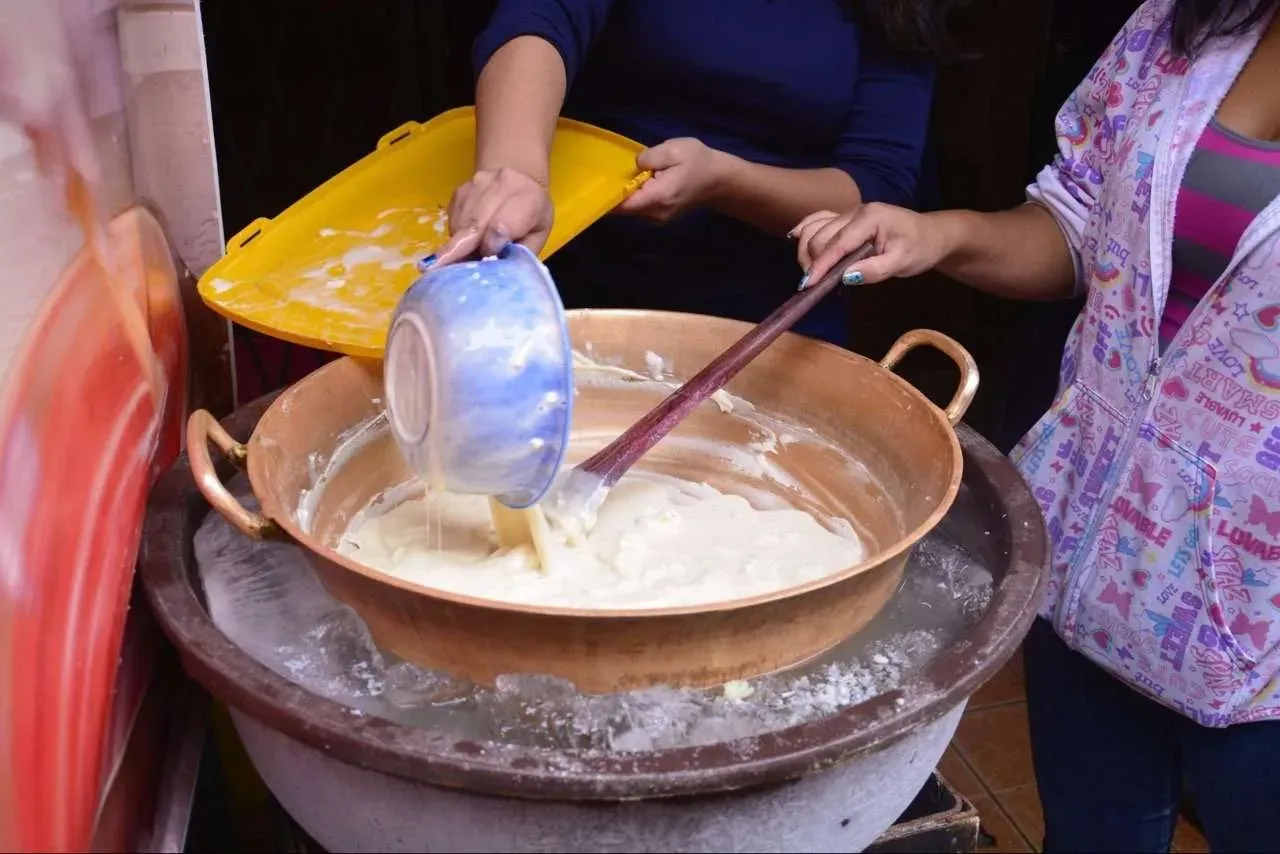
Paila ice cream
Photo by Susan Stubbs on Pixabay.
When discussing typical desserts from Quito, we cannot overlook the famous Paila ice creams. These are artisanal ice creams made in a copper container (paila), cooled with ice and salt while mixed with natural fruits. The production technique dates back to colonial times and is a family legacy maintained in many local businesses in Quito. There is a wide variety of flavors of paila ice cream. If you visit the city, we recommend trying the famous taxi ice cream, an Andean fruit rich in vitamin C, and paila ice cream made from naranjilla, blackberry, and soursop.
Colaciones
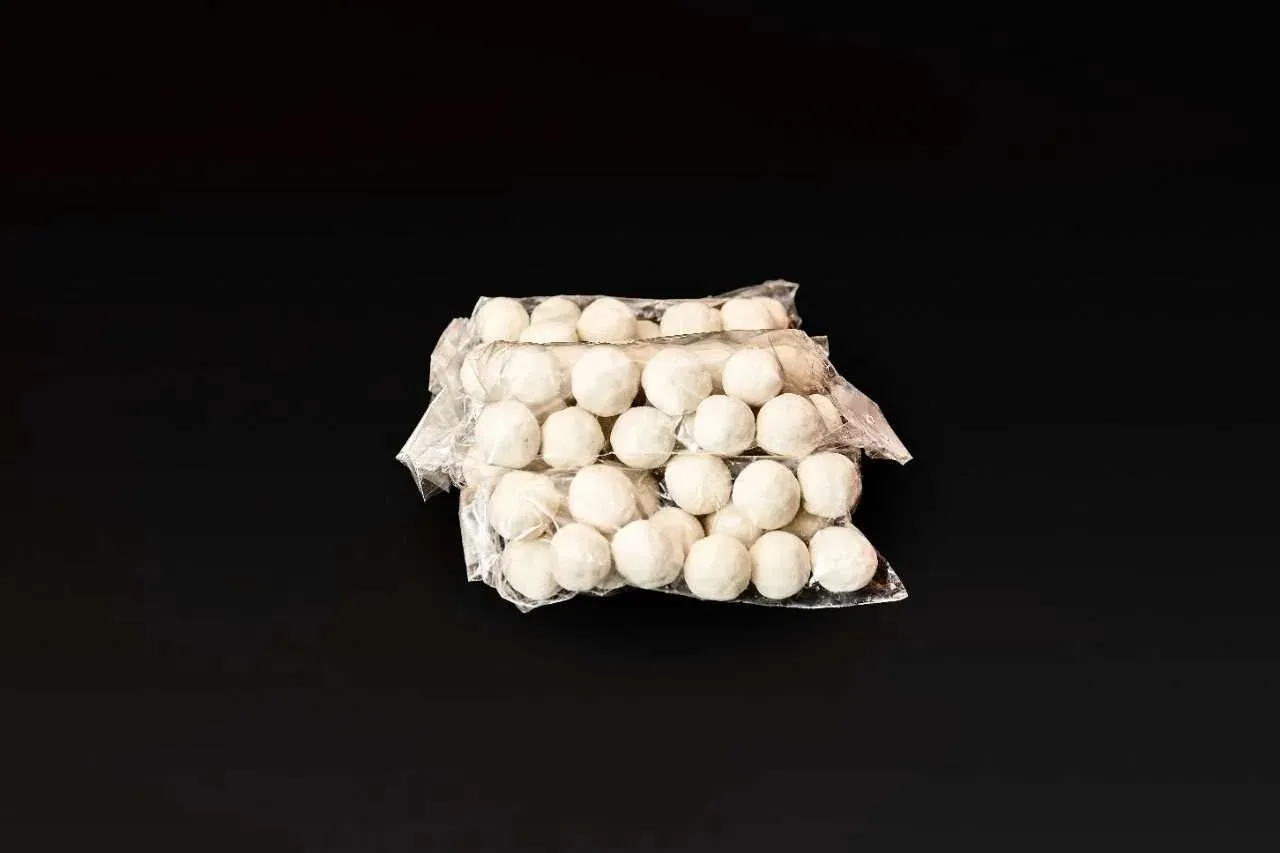
Colaciones
Photo by Heladeria – Restaurante San Agustín on their website.
Colaciones are a delicious traditional dessert from Quito. They are handcrafted and especially consumed during religious festivities and special occasions. These small round sweets are filled with peanuts or almonds and made with sugar, water, lemon, and essences.
Although some claim that these sweets are typical of the city of Quito, they “trace your origins and diffusion in our continent until the Court of Madrid, specifically until the festivities of the Royal and Supreme Council of the Indies. [In fact], Colaciones became popular as aristocratic confections between the 16th and 18th centuries at the Court of Madrid.” San Agustín, Heladería y Restaurante (2023). Dulces tradicionales quiteños
These sweets reflect the city’s rich culinary tradition, symbolize Quito’s hospitality, and are enjoyed especially at Christmas and in popular celebrations.
Quesadillas
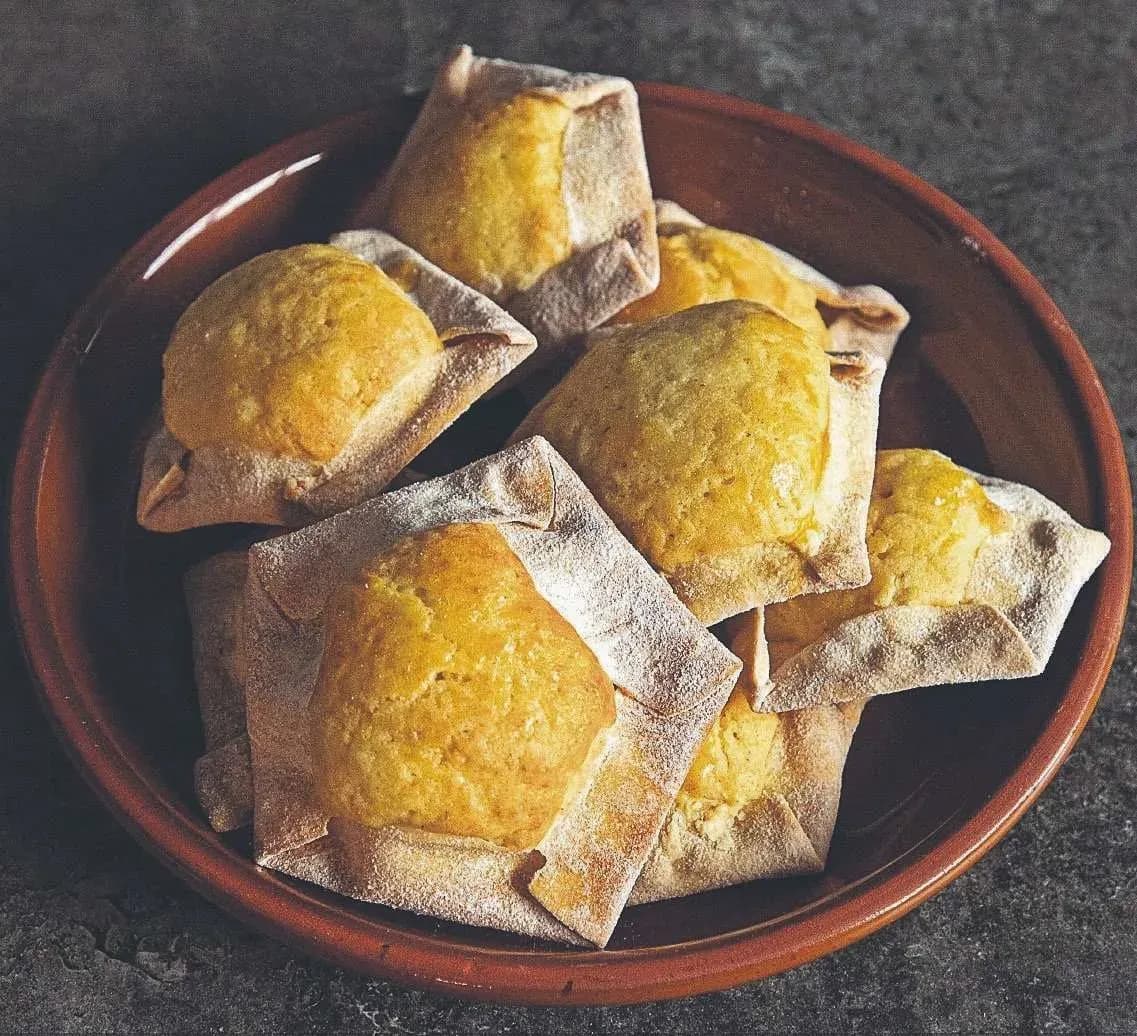
Quesadillas
A photo of the Ministerio de Turismo del Ecuador is on their website.
Quesadillas are made in many cities in the Ecuadorian Andes, perhaps Quito and Cuenca, where they are most traditional. The secrets of their preparation have been transmitted from generation to generation, especially in the convents of cloistered nuns, who have developed a unique ability to prepare this delicacy. Ministerio de Turismo del Ecuador (2022). Quesadillas: una delicada tradición gastronómica de Ecuador.
These exquisite treats are made with a dough made with eggs, flour, water, sugar, cheese filling, and achira starch, which gives a very special touch to their flavor. They can be found in supermarkets, bakeries, and traditional cafes in the city.
Pristiños con miel
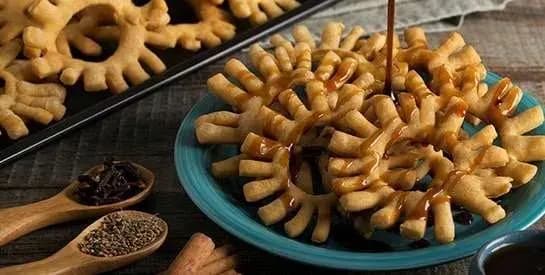
Pristiños con miel
Photo by YA on its website.
Pristiños with honey are a traditional Quito dessert, especially enjoyed during Christmas. These delicious fried dough rings are made with simple ingredients such as flour, butter, eggs, and a touch of anise, which gives them their characteristic aroma and flavor. Once fried, they are bathed in panela honey, a thick and sweet mixture that enhances flavor. This dessert is a gastronomic delight and a symbol of family and religious celebrations in the Ecuadorian capital, where its preparation and consumption evoke memories of tradition and homely warmth.
Typical drinks from Quito #
Next, we will describe the typical drinks of Quito, which you should try during your visit to the Ecuadorian capital.
Canelazo
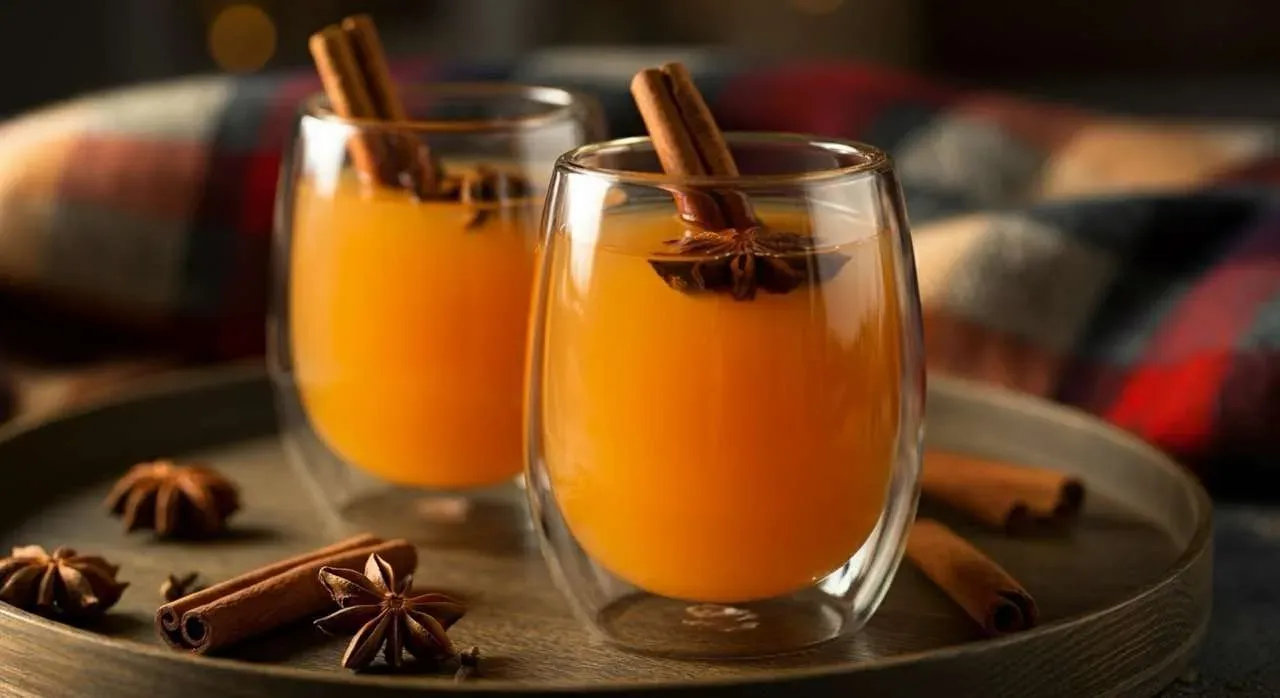
Canelazo Quito
Photo generated by ImageFx.
Canelazo is a hot naranjilla drink (Solanum quitoense, a subtropical perennial plant from northwest South America), and it contains cinnamon and sugar, to which brandy can be added. It is a typical drink at Quito festivals consumed to combat the cold of the Andean nights, and its cinnamon aroma makes it very popular at outdoor events. In addition, canelazo, also known as boiled, is a drink designed to celebrate the city. It is the perfect companion for playing Forties, the popular Quito card game.
Morocho
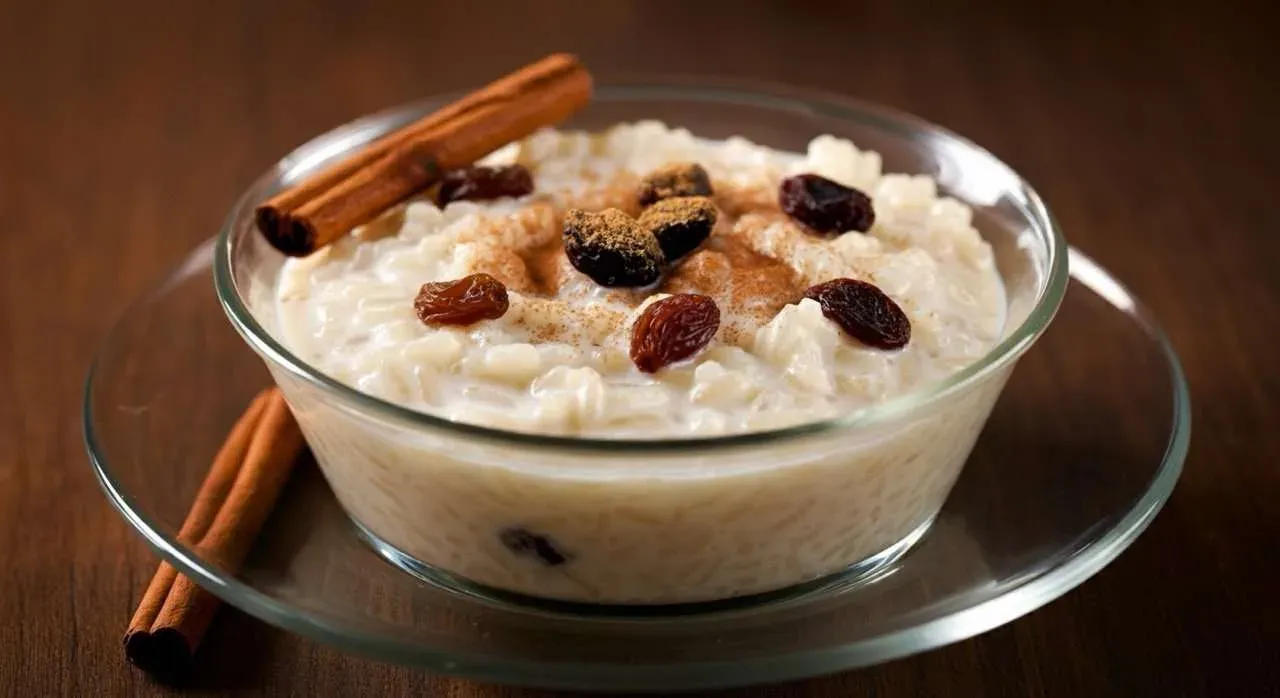
Morocho
Photo generated by ImageFx.
Another of Quito’s typical drinks is the famous morocho. It is a drink made with a variety of corn called morocho, “the sacred food of the Andes, and it is undoubtedly the most used product for preparing typical dishes and drinks in the Ecuadorian Sierra. One of its wide varieties is a mote corn cob kernel, white in color, very hard, known as “morocho” (much in Quichua).” Ministerio de Turismo del Ecuador (s/f). El morocho, la dulce bebida de los Andes.
Morocho is a drink usually served with empanadas, tortillas, or bread. It is available in practically all the food markets in the Sierra cities, as well as in typical restaurants and cafes.

Canelazo Quito
Photo generated by ImageFx.
Quito’s gastronomy is a mosaic of flavors, traditions, and culture that reflects the Andean region’s historical richness and culinary creativity. The city’s typical dishes embody the city’s identity, from the comforting locro de papas to the iconic empanadas de viento. In their preparation, native ingredients and ancestral techniques that have endured over the centuries are combined. The drinks and desserts not only complement this gastronomic offer but also testify to the hospitality and warmth of the people.
Exploring Quito’s cuisine is a sensory journey that unites generations and celebrates Ecuador’s cultural diversity. These delicacies delight the palate and allow you to connect with the roots and traditions that make Quito a unique and unforgettable destination.
Undoubtedly, the Ecuadorian capital is a paradise for lovers of good food and a window to the cultural wealth of the Andes. Now that you know the delicious typical dishes of Quito, we encourage you to explore our notes on the usual food of Ecuador and its huecas (popular eating places).
Remember that on our blog, you can find all the information about what to do in Quito and everything you need to know about the Quito City Tour. Our Hop On Hop Off system will allow you to discover the most notable places in Quito through five stops you can explore your way. On this tour, you can visit the restaurants, cafes, and cafes where the city’s typical dishes are offered, an adventure you will not want to miss while visiting the Ecuadorian capital.
Recommended Restaurants in Quito#
Below is a list of highly recommended restaurants in Quito. These have been selected for their excellent cuisine, ambiance, and service, ensuring an unforgettable dining experience in the capital.

Somos Ecuador Restaurante
Visit website |