Museums of Quito
Quito offers an impressive variety of museums that will transport you from pre-Columbian times to the present. It will submerge in the rich heritage of this city and in the evolution it has experienced. By visiting them, you will be able to discover the mix of cultures that have influenced Quito, from ancient indigenous civilizations to Spanish and colonial influence, and you can admire works of art by renowned Ecuadorian and international artists and artisanal pieces of great historical value. In addition, many museums are located in colonial buildings that are true architectural gems.
Here we present the list of the best museums in Quito, which we recommend you visit during your stay in the city. First, we will start with a list of museums in the historic center of Quito, and then, we will tell you about other museums in different areas of the city.
Museums in the Historic Center of Quito#
We have listed some of the most representative museums in the historical center of Quito. We want to remind you that you can reach any of these if you take the only double-decker bus in the city, the Quito Tour Bus, and opt for our Quito City Tour, a tour of the most notable places in the historical center of Quito. Our hop–on–hop–off system will allow you to get off our bus, visit the museums of your choice, and retake it.
Another way to get to Quito museums is to use the VIP transportation service, a very safe way to get around Quito. A driver will take you to the museum of your choice and pick you up whenever you want. If you are looking for comfortable and safe transportation to museums in Quito’s historic center, contact us by WhatsApp.
1. Convent of San Francisco – Fray Pedro Gocial Franciscan Museum#
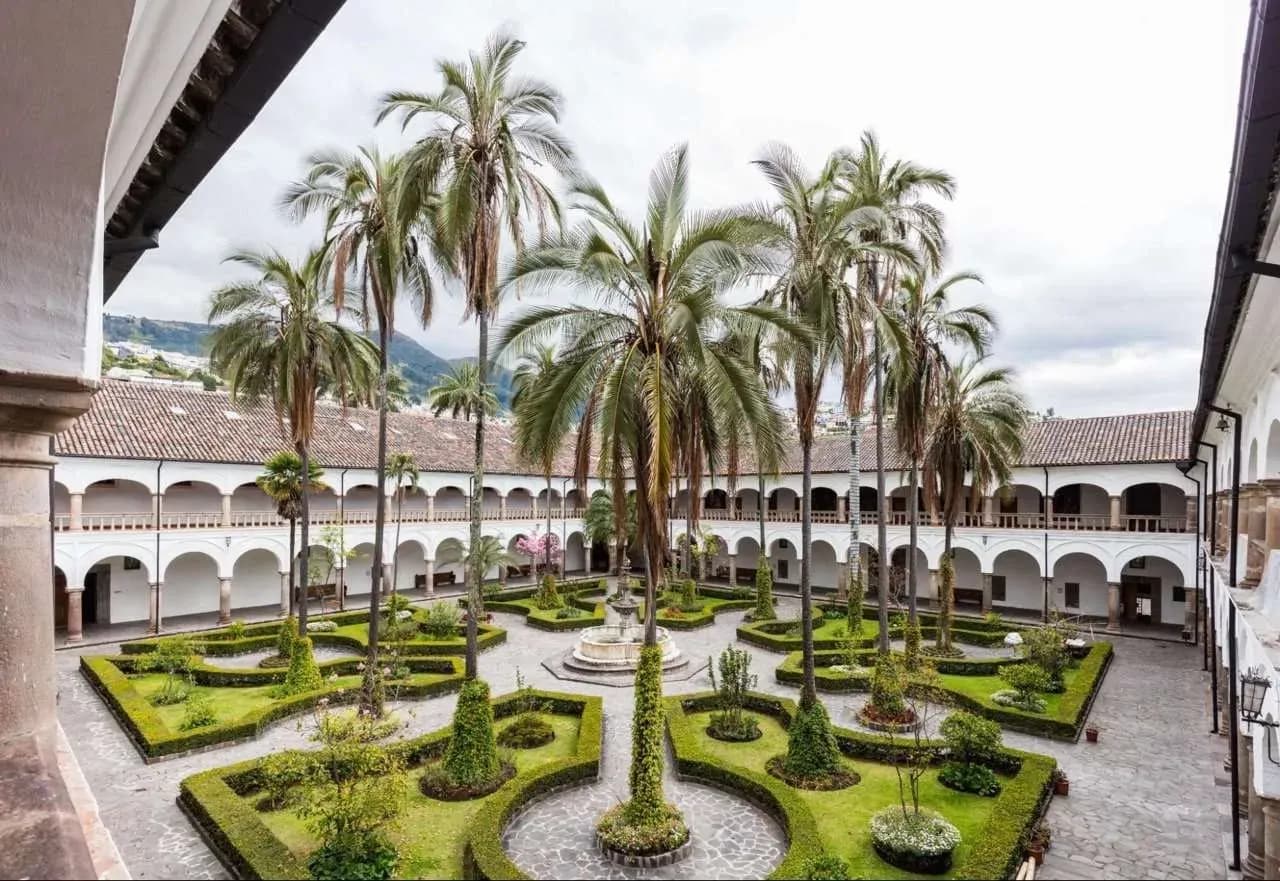
San Francisco Church Museum, Quito, Ecuador.
Photo by Diego Delso, delso.photo. License CC BY-SA 4.0, via Wikimedia Commons.
The architectural complex of the Convent of San Francisco in Quito constitutes one of the most significant artistic and cultural monuments in Latin America due to its architectural wealth and dazzling beauty. It is one of the main historical attractions of the historic center of Quito, and “in Latin America, it is considered the largest religious architectural complex of the 16th century.” Ministerio de Turismo del Ecuador (2017). Camino Quiteño Arte y Fe.
Inside this historic convent, there is the Fray Pedro Gocial Franciscan Museum, which “exhibits one of the most beautiful and complete collections of Quito art from the 16th, 17th and 18th centuries, with pictorial and sculptural pieces that speak to us of the genius, talent and Catholic faith of the inhabitants of this city.” Museos de Quito (s/f). Museo Fray Pedro Gocial.
This museum offers a fascinating look at colonial monastic life. In addition, you can find a model that refers to the legend of Cantuña, one of the best-known religious legends in the country, which takes place in San Francisco. It is said that the indigenous Cantuña managed to build the central atrium thanks to a pact with the devil.
During your visit to the Fray Pedro Gocial Franciscan Museum, you will see works from the Quito School from the 17th, 18th, and 19th centuries, the convent’s cloisters, the church choir, the bell towers, and the old brewery. Likewise, during your visit, we recommend that you climb the church’s buildings and observe the unique panorama this place offers, as well as visit the side chapels and the main altar in the church.
See information about visiting hours on Google
2. Cathedral Museum#
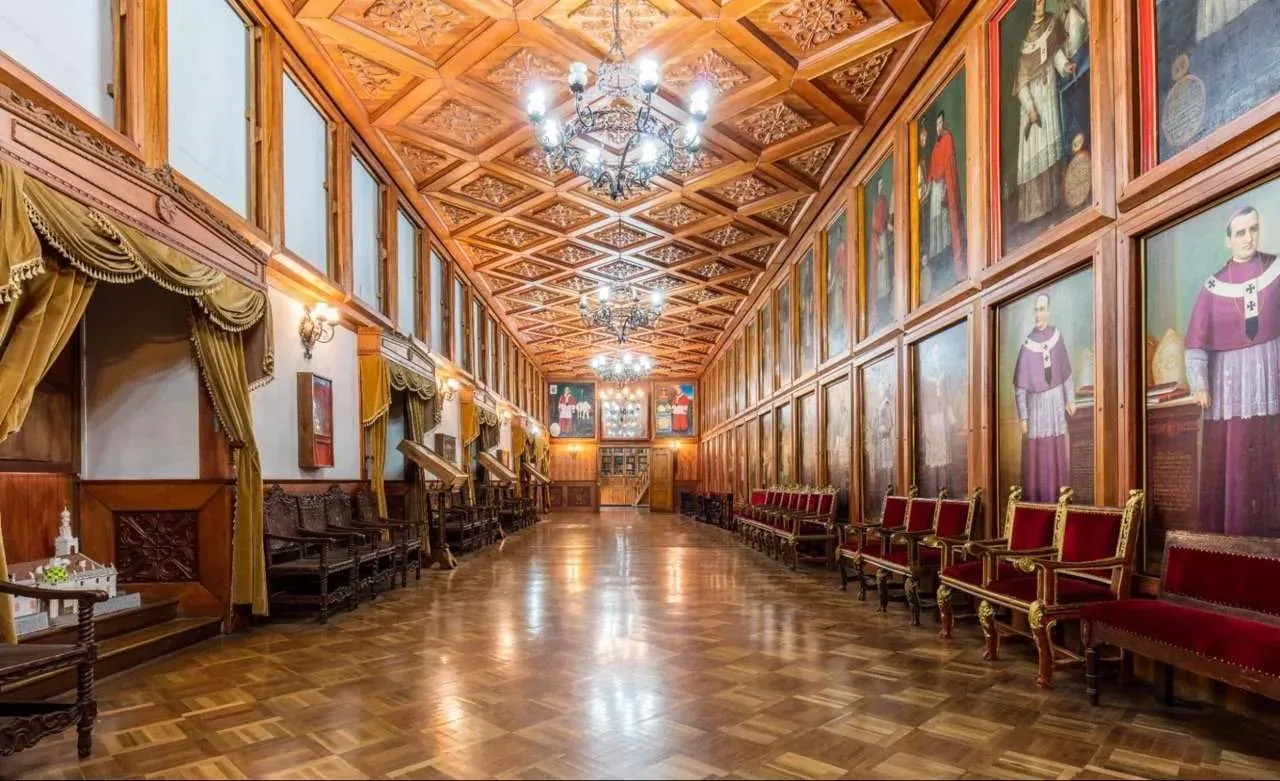
Chapter house, located in what is currently the Quito Cathedral Museum, historical center of Quito, Ecuador.
Photo by Diego Delso,
delso.photo, License CC BY-SA 4.0, via Wikimedia Commons.
The Primate Cathedral of Quito is the Catholic temple with the highest ecclesiastical hierarchy in the country. It is located in the Plaza Grande, in the heart of the historic center of Quito. The cathedral has many spaces to visit and a museum where it is possible to learn about the history of this emblematic building, the religious life of ancient Quito, choral books, and precious metal objects. We highly recommend visiting this site if you are in the Ecuadorian capital.
Remember that you can visit the Primate Cathedral of Quito in our company. For this purpose, we have put our Cathedral Domes Tour at your disposal. A night tour of this beautiful building in which you can see the church, the altars, the domes, and the catacombs.
See information about visiting hours on Google
3. City Museum#
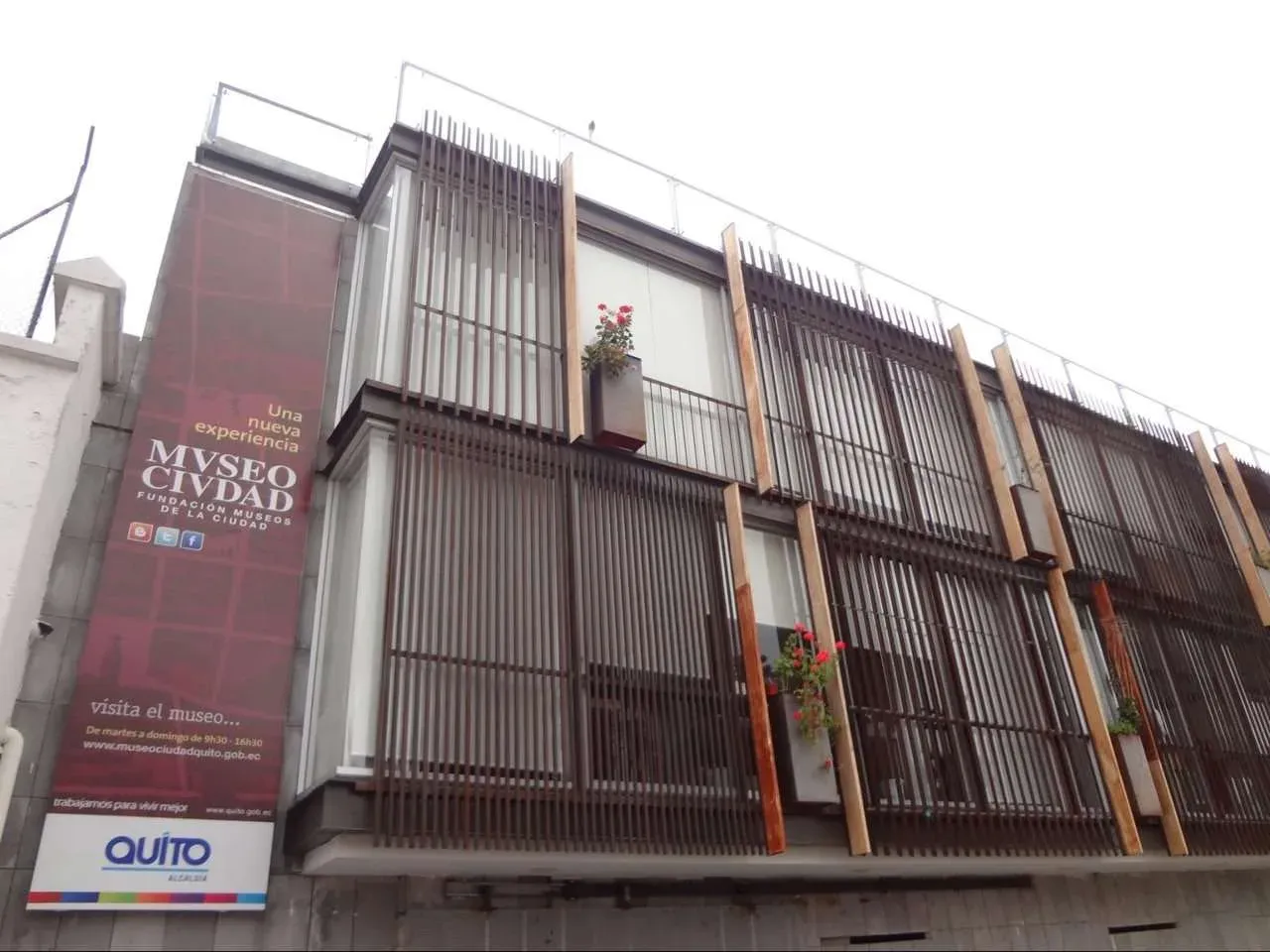
City Museum, Quito (exterior).
Photo by David Adam Kess, CC BY-SA 4.0 , viaWikimedia Commons.
Located in the historic center of Quito, precisely in the old San Juan de Dios Hospital, the City Museum constitutes one of the most significant heritage assets preserved in the capital of Ecuador. The museum is located inside a building that was once a colonial hospital, so when you visit it, you will be able to appreciate impressive colonial architecture and learn first-hand about the history of the place.
Additionally, at the City Museum, you will have the opportunity to see “a permanent exhibition on the socio-historical processes of Quito and its area of geographical influence and cultural sphere.” Fundación Museos de la Ciudad (2024). Museo de la Ciudad. It is a mandatory stop to understand the city’s development as the history of Quito comes to life, showing you how daily life has evolved over the centuries. In other words, this is an excellent way to learn about the past of the Ecuadorian capital and discover how the city has transformed over time.
See information about visiting hours on Google.
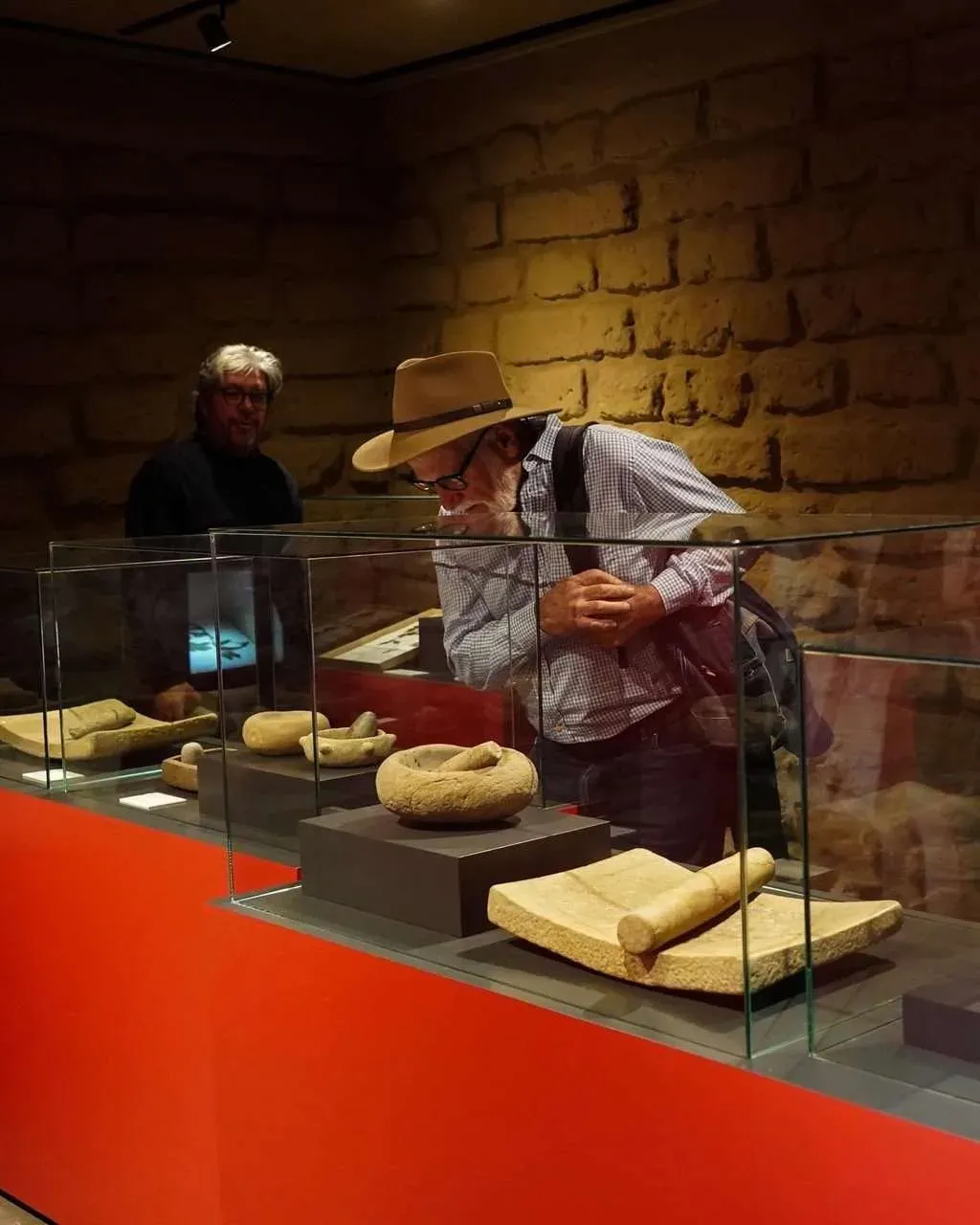
4. Casa del Alabado – Museum of Pre-Columbian Art #
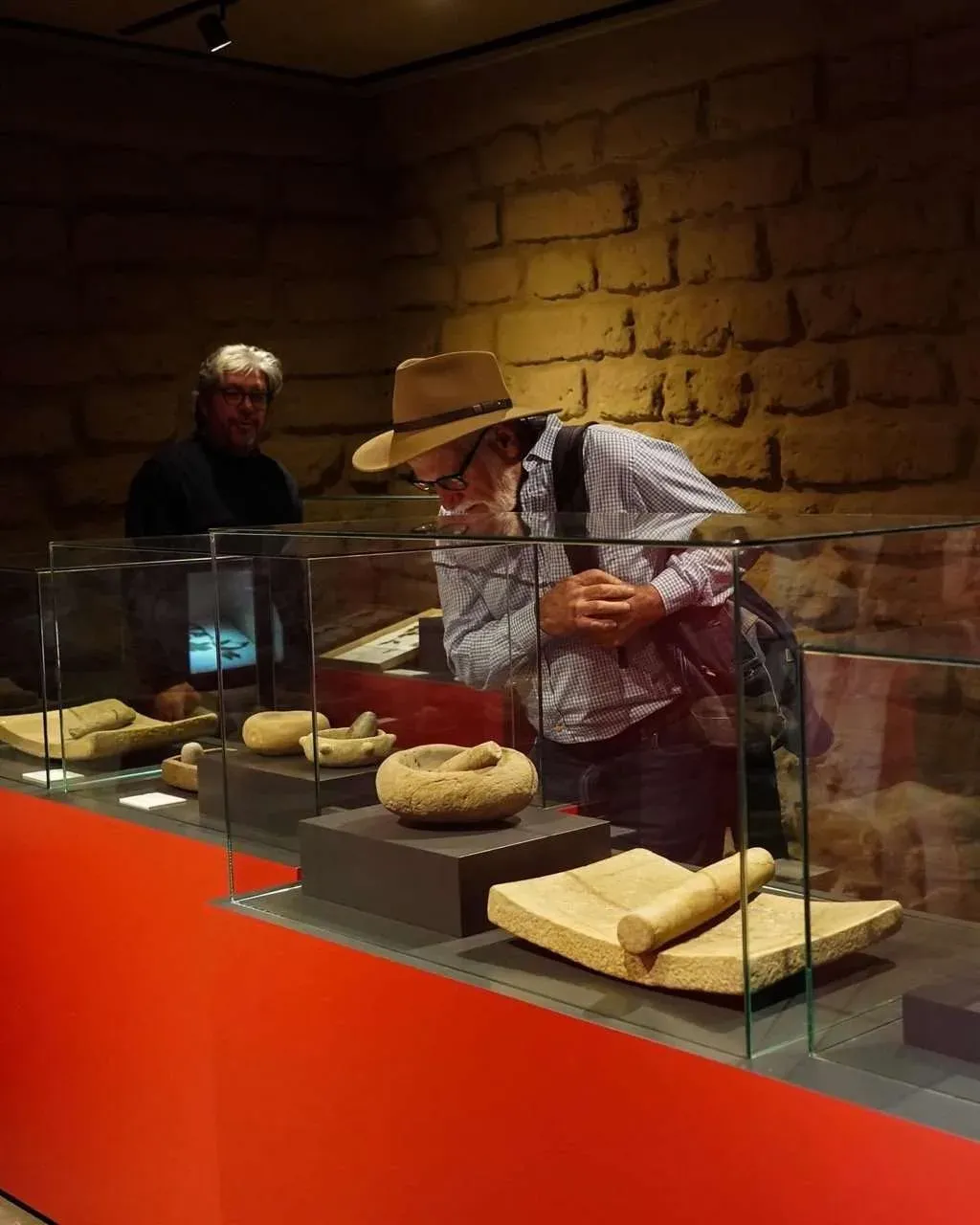
Photo by Casa del Alabado Museum (museocasadelalabado) on Instagram.
When you visit La Casa del Alabado, you will be highly amazed at the artistic skill of the ancient civilizations of Ecuador since the museum’s collection “contains around 5,000 archaeological pieces, including utilitarian and ceremonial artifacts made of ceramics, stone, shell, metal, textiles, and wood”. Casa del Alabado Museo de Arte Precolombino, (2020). Colección Permanente.
“Each of these objects brings us closer to the spiritual, social, and political practices of the cultural groups that inhabited the diverse territory that is today Ecuador, from the Pacific coast to the Andean mountains, and even the tropical forests.” Casa del Alabado Museo de Arte Precolombino, (2020). Colección Permanente.
“Most of the collection is made up of ceramic pieces for ritual, ceremonial, and everyday use. Coastal cultures such as Valdivia, Chorrera, and Jama-Coaque are the best represented. However, significant pieces from twenty other cultures that populated ancient Ecuador before the arrival of the Inca empire between 1440 AD and 1440 AD are added to these. and 1530 AD.” Casa del Alabado Museo de Arte Precolombino, (2020). Colección Permanente.
If you are visiting the city of Quito, we highly recommend admiring the collection held by the Casa del Alabado Museum, one of the most representative in the country. In addition, this museum is located in a restored colonial building from the 17th century, one of the oldest buildings in the historic center of Quito. This site deserves to be seen.
See information about visiting hours on Google or their official website Casa del Alabado Museum of Pre-Columbian Art.
5. Defense Museum Casa de Sucre#
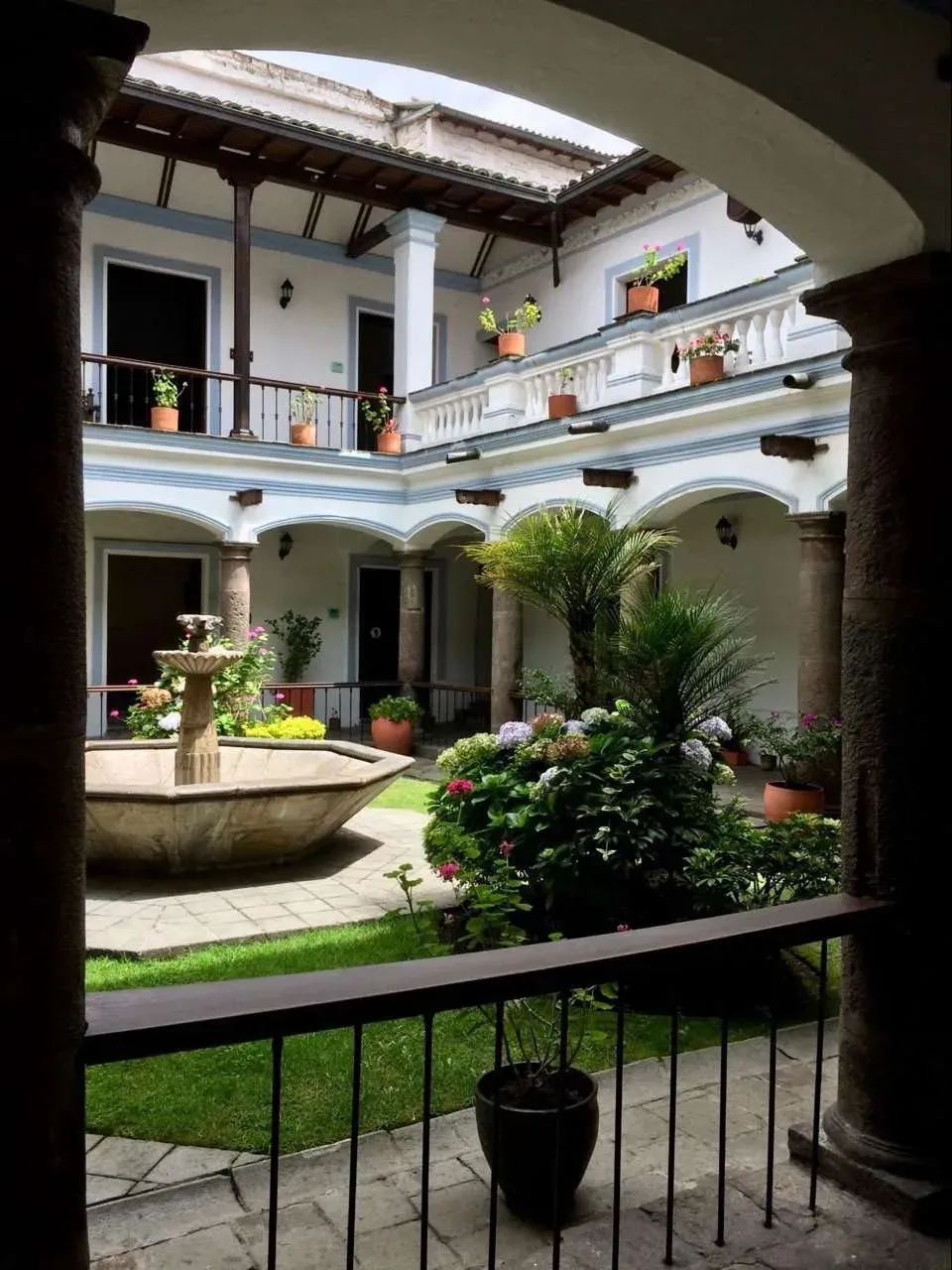
Inner courtyard of the Casa de Sucre Museum.
Photo by Ranoutofusername, CC BY-SA 4.0, via Wikimedia Commons.
If you are interested in the history of Latin American independence, you will find this museum fascinating. Currently, this space is managed by the Ministry of Defense, and its main entrance is on Venezuela Street, in the historic center of Quito.
This museum is dedicated to Antonio José de Sucre, the great Marshal of Ayacucho, one of the prominent military leaders of independence, and his wife, the Quito lady Mariana Carcelén, Marchioness of Solanda y Villarocha. The house, which dates back to the 18th century, has been preserved with furniture and personal objects that belonged to the marshal. In addition, its interior patio is a magnificent example of colonial architecture.
The Casa de Sucre Defense Museum “is a space that aims to show the forms of the configuration of Quito society at the dawn of the Enlightenment, between the 18th and 19th centuries, as well as reveal the social, political, and economic relations that influenced the independence processes, and the affiliation of the Royal Court of Quito to the Bolivarian project. As a site museum, through its tour, the viewer will be able to learn what a colonial-style house was like and the history of those who lived in this property.” Fundación Museos de la Ciudad (2018). Museo de la Defensa Casa de Sucre.
His exhibition includes three themes:
1.- Site Museum (historical information about the property and its areas).
2.- Mariana Carcelén and Antonio José de Sucre.
3.- Sucre and Bolívar, towards an ideal of independence.
See information about visiting hours on Google
6. Yaku Park Water Museum#
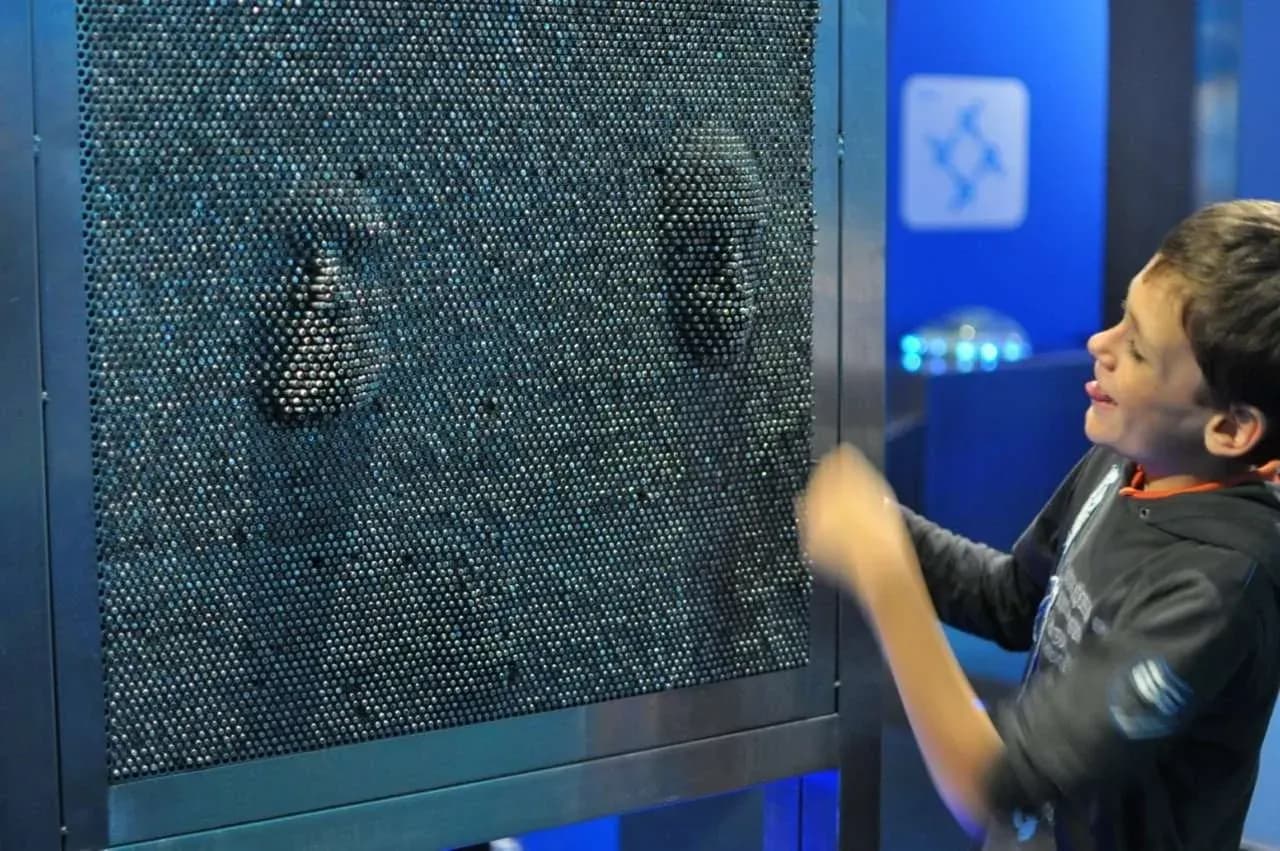
Photo by Rinaldo Wurglitsch from Vienna, Austria, CC BY 2.0, via Wikimedia Commons.
Yaku Parque Museo del Agua is located in the El Placer neighborhood, on the slopes of the Pichincha volcano, where the first water treatment plant for Quito once operated, and is constituted as an interactive museum that offers a unique experience focused on the importance of the water.
Yaku Parque Water Museum is an ideal place to learn about the history of vital liquids, value their properties, reflect on their responsible use of water, and generate a citizenry committed to and for water. With innovative exhibits and outdoor spaces, it is a perfect museum for visitors of all ages, especially families with children.
It is a site “opened its doors on December 5, 2005. […] And in these 16 years of operation, through permanent exhibitions, temporary exhibitions, educational programs, and community mediation programs, […] it has sought to generate spaces for reflection, dialogue, and participation about our individual and collective relationship with water in its different dimensions.” Yaku Parque Museo del Agua (2022). Sobre Yaku.
For all these reasons, we invite you to include this attractive cultural space in Quito on your agenda.
See information about visiting hours on Google or their official website, Yaku Park Water Museum.
7. Carmen Alto Museum#
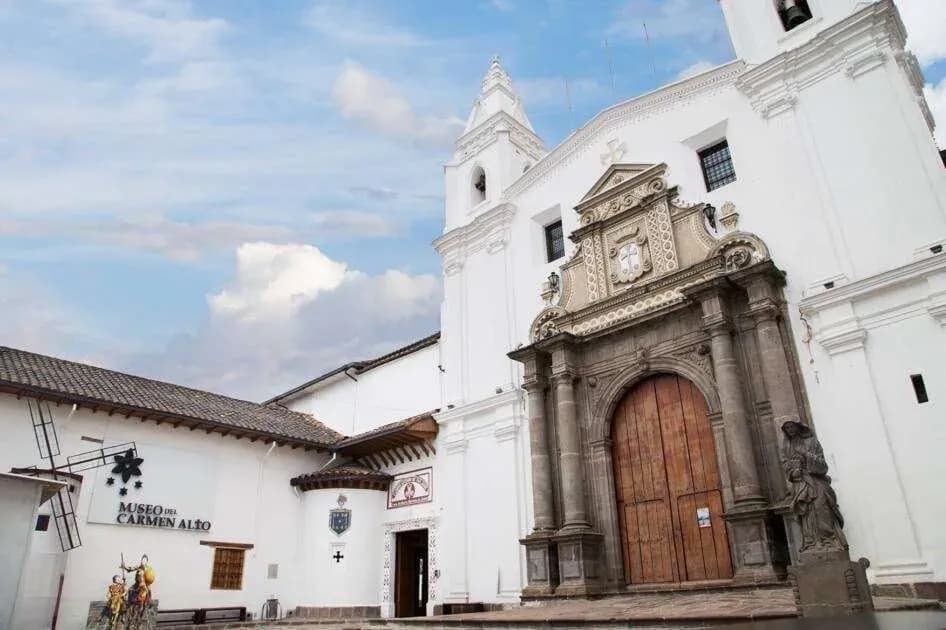
Carmen Alto Museum.
Photo by Secretaría de Cultura Quito – Municipio del Distrito Metropolitano de Quito.
Right in front of the City Museum, on García Moreno Street, you can find the renowned Carmen Alto Museum. It is an ideal place to learn about the history of the old convent of the Order of the Discalced Carmelites in Quito, founded in the 17th century. A museum in which you can see the richness of the Carmelite cultural, historical, and spiritual heritage.
The permanent exhibitions of this museum are based on three main axes:
- The art of the Carmen Alto monastery.
- The history and daily life of the Discalced Carmelite community of Quito.
- The life of Mariana de Jesús.
8. Alberto Mena Caamaño Museum#
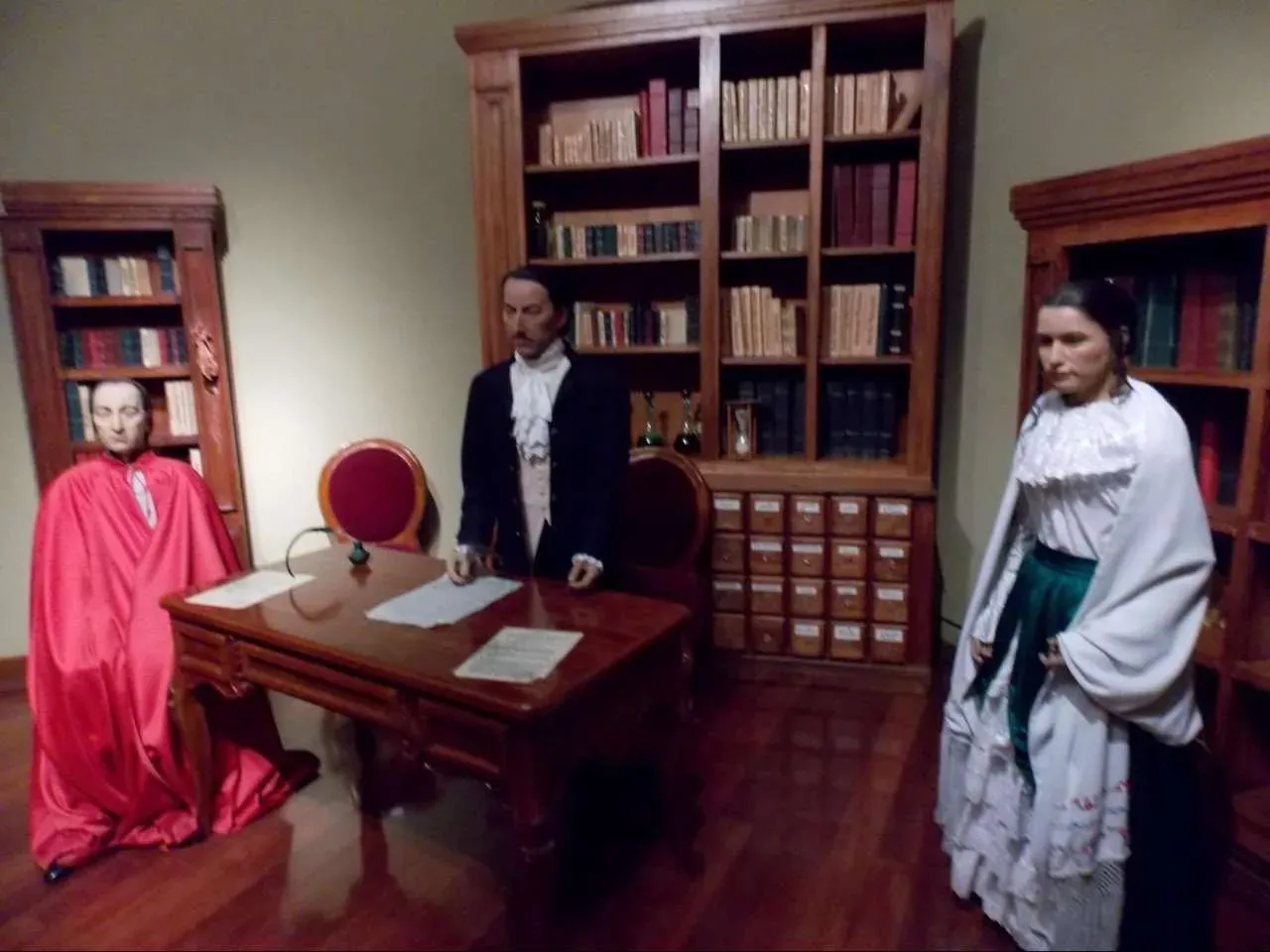
Wax figures of the Quito heroes Eugenio and Manuela Espejo, part of the collection of the Alberto Mena Caamaño Museum, in the historic center of Quito (Ecuador).
Photo by H3kt0r, CC BY-SA 4.0, via Wikimedia Commons.
The Alberto Mena Caamaño Museum, popularly known as the Wax Museum, is located in the city’s historic center, on Espejo Street, next to the Carondelet Palace, and is part of the Metropolitan Cultural Center complex.
The museum “offers the public its permanent exhibition, “From Quito to Ecuador,” a cultural offer linked to the political sphere in a broader context (the Spain-America correlation), which develops the events that occurred in the territory of the Royal Court of Quito to starting in 1730, the introduction of the Enlightenment, the modernization of local thought, the political reorganization, the independence process, events that led to the formation of the Republic of Ecuador in 1835, based on a museography that uses scenes with 44 figures of wax.” Fundación Museos de la Ciudad (s/f). Museo Alberto
Mena Caamaño.
Museums outside the Historic Center of Quito#
9. National Museum of Ecuador (MuNA)#
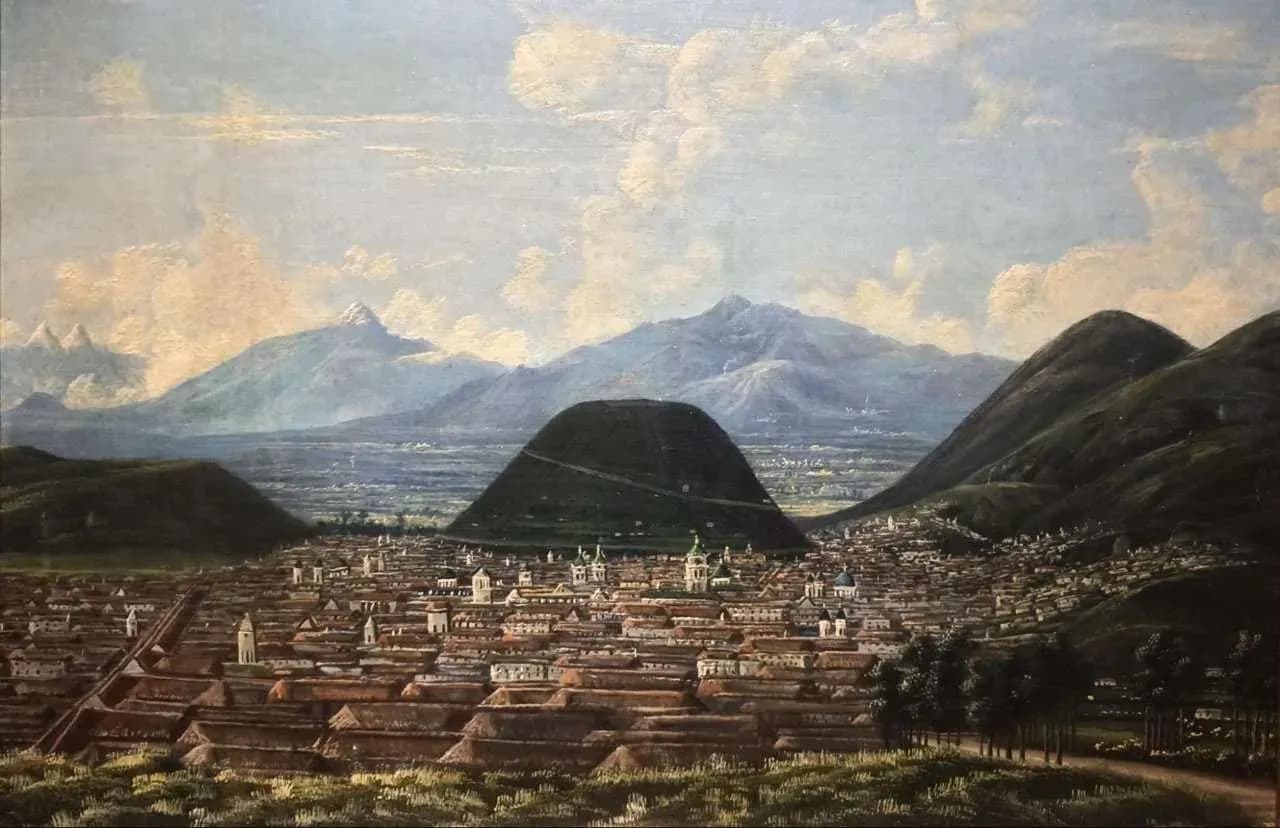
“Quito” (1860), oil on canvas attributed to Rafael Salas Estrada in the MUNA, Quito.
Photo by Ranoutofusername, CC0, via Wikimedia Commons.
The National Museum of Ecuador (MuNA) is located within the facilities of the House of Ecuadorian Culture building. It was “inaugurated in 1969 as the Archaeological Museum and Galleries of the Central Bank of Ecuador […]. Its creation joined the attempts of other Latin American countries to safeguard heritage assets through their Central Banks. In 1995, the Museum was temporarily moved to the Complex of the House of Culture of Ecuador to construct its own building for the museum. And since then, it has been known as the National Museum of Ecuador.” National Museum of Ecuador (s/f). Our history.
The MuNA “is the head of the Ecuadorian Museum Network, which promotes integration, articulation, and cooperation between museums. […] And it is conceived as a space under construction where memory, creation, heritage, and diversity are in constant dialogue with cultural assets” Ministry of Culture and Heritage (s/f). National Museum of Ecuador (Pichincha Province).
This essential cultural center promotes and disseminates Ecuadorian art and culture. It offers a panoramic view of the history of Ecuador, from pre-Columbian times to the 20th century. Its archaeological, colonial, and republican art collections are awe-inspiring, so visiting this museum should be part of your agenda while you visit Ecuador.
See information about visiting hours on Google or the official website of the National Museum of Ecuador.
10. La Capilla del Hombre – Guayasamín Foundation#
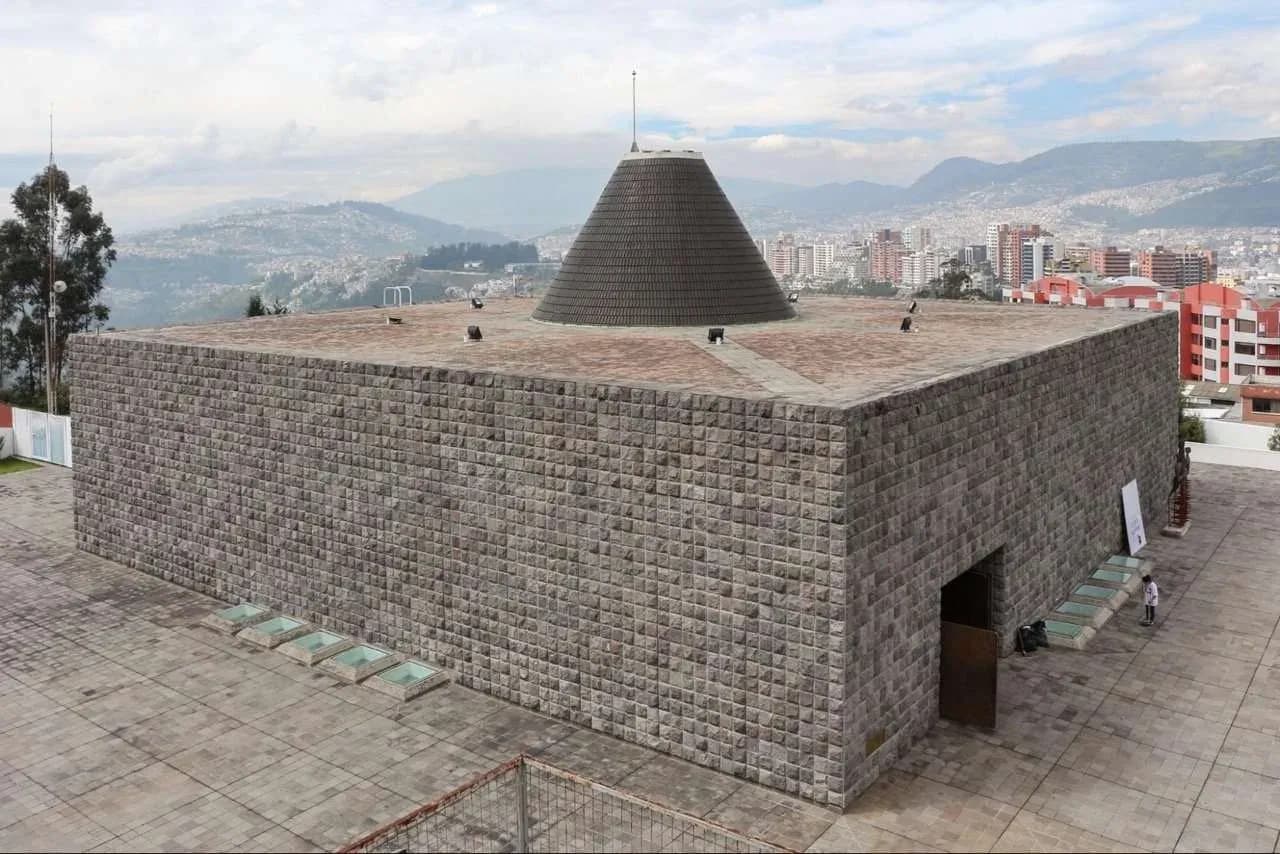
The Chapel of Man, Quito, Ecuador.
Photo by Bernard Gagnon, CC BY-SA 3.0, via Wikimedia Commons.
This museum is dedicated to Oswaldo Guayasamín, one of the greatest Ecuadorian artists. It is located in the Bellavista neighborhood in the city of Quito, and there you can admire the impressive architecture of the place, the paintings and sculptures of this great Ecuadorian painter, and collections of pre-Columbian and colonial pieces exhibited in its cultural spaces.
During your visit to this site, you will be able to visit the five cultural spaces open to the public that the Guayasamín Foundation manages: the Guayasamín House-Museum, the Oswaldo Guayasamín Studio, the “Maruja Monteverde” Hall of Temporary Exhibitions, The Man’s Chapel, and the Archaeological Site and Park of Cultures.
The Man’s Chapel, for its part, is “a Cultural Center that arises as a response to the need to pay tribute to human beings, their people, their identity. It is a space that invites reflection on history from the point of view of Latin America, with its achievements and suffering, to project oneself into the future. […] It identifies with the dispossessed of the land, the discriminated peoples, the women, the children, the victims of wars and torture of all kinds” Guayasamín Foundation (2020). Man’s Chapel.
See information about visiting hours on Google, or on their official website Guayasamin Foundation.
11. Museums of the Middle of the World#
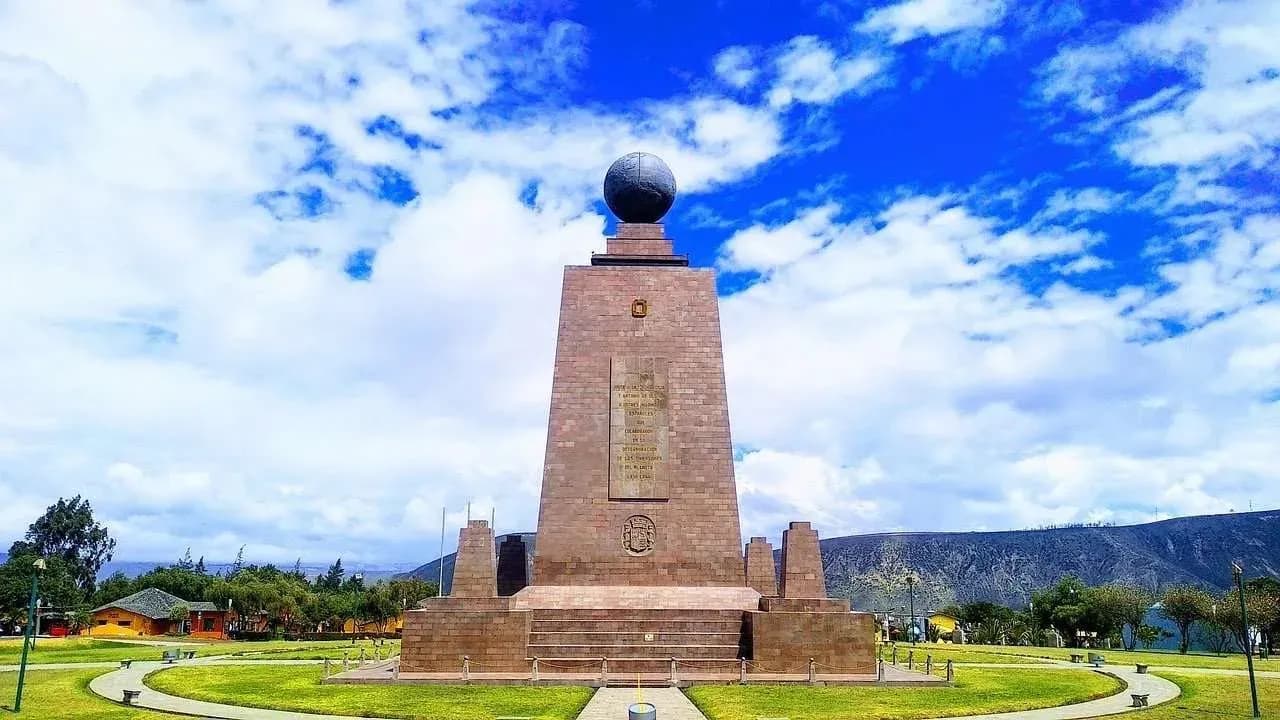
Middle of the World.
Photo by William Mendez on Pixabay.
The Middle of the World City is an iconic tourist complex in Ecuador, which is located in San Antonio de Pichincha, about 50 minutes by car from the historic center of Quito.
This complex has many tourist attractions, such as the Planetarium, ancestral homes, and the famous Middle of the World monument, located on the equator line. In addition, in the Middle of the World, there are several museums you can visit, such as the Cocoa Museum (Cocoa Experiences), Craft Beer Museum, Train Museum, and Guayasamín Museum. Below, we tell you a little about them.
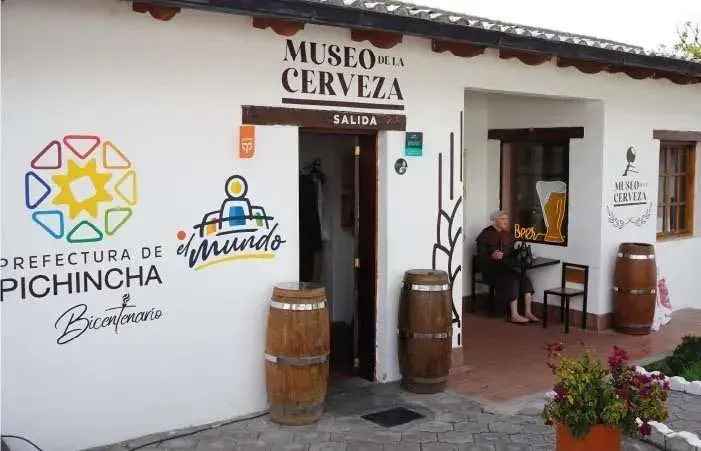
Beer Museum in the Middle of the World.
Photo by Boutique Hotel Mitad del Mundo, 2023.
In the Cocoa Museum, You will be able to discover the ancient magic of Ecuadorian cocoa, a place where expert chocolatiers will show you the process of harvesting, fermentation, and roasting of cocoa to obtain fine aromatic Ecuadorian chocolate.
Pichincha Prefecture (2024). Cocoa experience.
In the Beer Museum, you will enjoy a cold craft beer while you learn about its history, from the arrival of the Franciscan monks who introduced this revered drink to Ecuador to the artisanal brewing methods that have endured over time.
Pichincha Prefecture (2024). beer museum.
For its part, in the Train Museum, You will discover the Historical Train Route that linked the Coast with the Ecuadorian Sierra, an experience in which you will be able to learn more about Eloy Alfaro, the visionary who introduced the train to Ecuador and who forever transformed the panorama of commerce and development in the country. Pichincha Prefecture (2024). Train Museum.
In the Guayasamin Museum, You will learn about the life and work of one of the most important contemporary artists that Ecuador has had, Master Oswaldo Guayasamín, one of the main exponents of indigenism in painting. During your visit, you will be able to observe and learn about different works that address sensitive topics for humanity, such as cruelty, injustice, pain, and tenderness. Pichincha Prefecture (2024). Guayasamin Museum.
We recommend you read about the tourist experiences inside the Middle of the World so you will learn about the many activities you can do in this iconic destination in Ecuador.
Remember that the Middle of the World is a tourist destination in Quito that is open 365 days a year. We recommend you visit it on Saturdays and Sundays since cultural events are held inside, and of course, we suggest you visit it in our company.
In our Middle of the World Tour, we will take you to this essential destination in Ecuador by using the Quito Tour Bus. You can visit the museums and the Mitad del Mundo tourist complex and participate in a series of experiences on the equinoctial line. During this tour, you can see educational demonstrations of phenomena that manifest in the equinoctial zone.
See information about visiting hours on Google
12. Intiñan Site Museum #
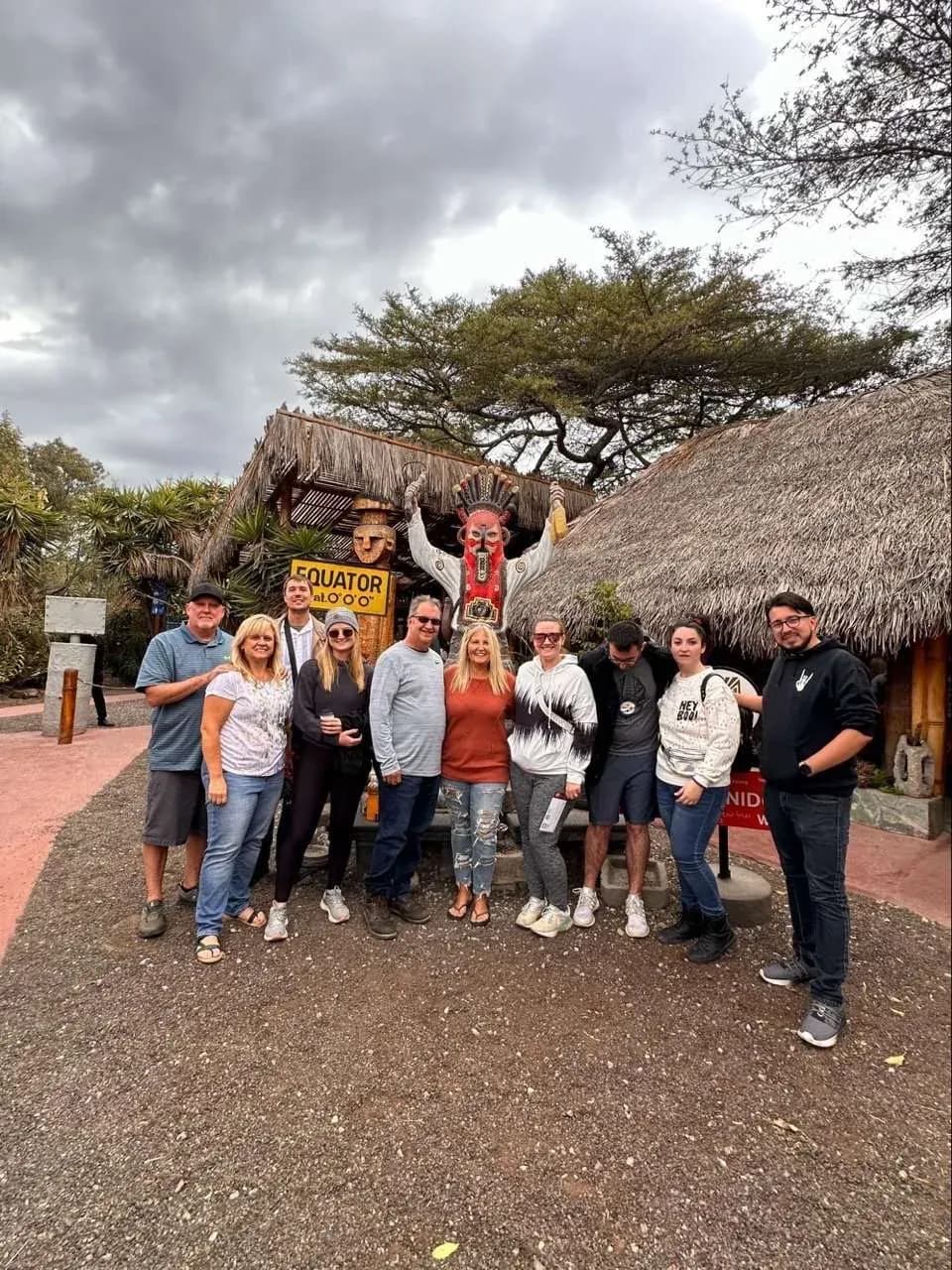
Intiñan Site Museum.
Photo by Quito Tour Bus.
This museum is also located in San Antonio de Pichincha, very close to the Middle of the World, and is an excellent day trip. The Intiñan Museum is located at what is believed to be the precise location of the equator. There you will learn about some curious phenomena related to 0° latitude; And, you can take a photo right in the middle of the world.This museum houses a unique collection of archaeological antiquities from various cultures, and has informative and educational tours with a personalized guide. It is a perfect place to discover rituals, traditions, lifestyles, and artistic manifestations of the equatorial zone. Intiñan Museum (2023). About us.
If you want to know this museum, we put at your disposal our Middle of the World Tour, a tour in which you can visit the Intiñán Museum, the Middle of the World and the Agave House, the first Museum – Factory and Distillery in Ecuador, created in honor of the Andean agave culture.
See information about visiting hours on Google
13. Casa Agave Museum #
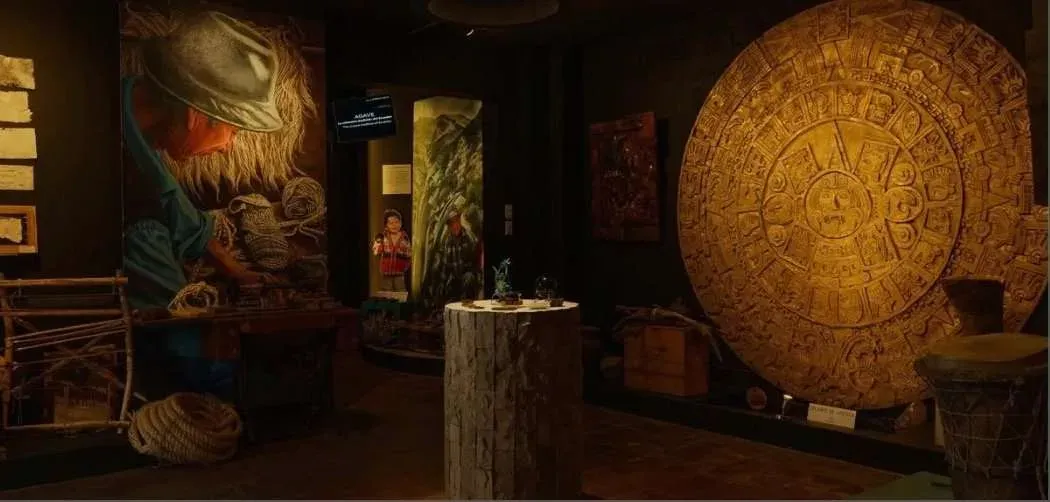
Agave culture museum at Casa Agave Ecuador.
Photo by Casa Agave Ecuador on its website.
Casa Agave Museum is the first cultural museum of the Andean agave. This comprehensive project has worked to recover knowledge and enhance one of the oldest heritages of the inter-Andean equatorial valleys, the Agave culture, all its uses and derivatives.
He gave “synthesized light to generate an elixir that the native peoples called chawarmishky. It was identified as a sacred drink that, they said, was even like ingesting life itself. Today, we call it Miske, the first denomination of origin of the drink from Ecuador.” Casa Agave Ecuador (2024). The best agave in the world.
Get to know the famous Casa Agave Museum in our company. At Casa Agave you will learn all the secrets of making this traditional Ecuadorian liquor, while you enjoy a delicious tasting of all the products made with agave. Make this unparalleled cultural experience in our Middle of the World Tour.
See information about visiting hours on Google, or on their official website Casa Agave Ecuador.
14. Temple of the Sun Museum#
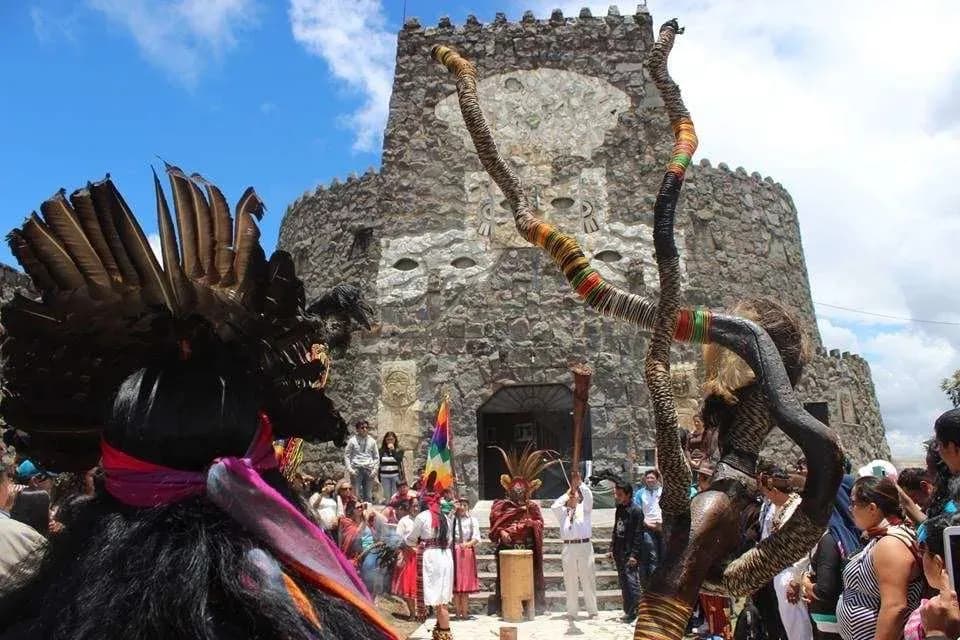
Indigenous ceremony at the Temple of the Sun Museum.
Photo by Zamorajose18, CC0, via Wikimedia Commons.
Whoever visits the Middle of the World area should not miss the Temple of the Sun Museum – Ortega Maila on the equinoctial line. The Temple of the Sun Museum is a place where we reverence the sun and the ancestral culture received as a legacy from our ancestors, and it is also a museum, an art house that keeps the paintings of its creator, the renowned painter and Quito sculptor Cristóbal Ortega Maila.
See information about visiting hours on Google
15. La Florida Site Museum#
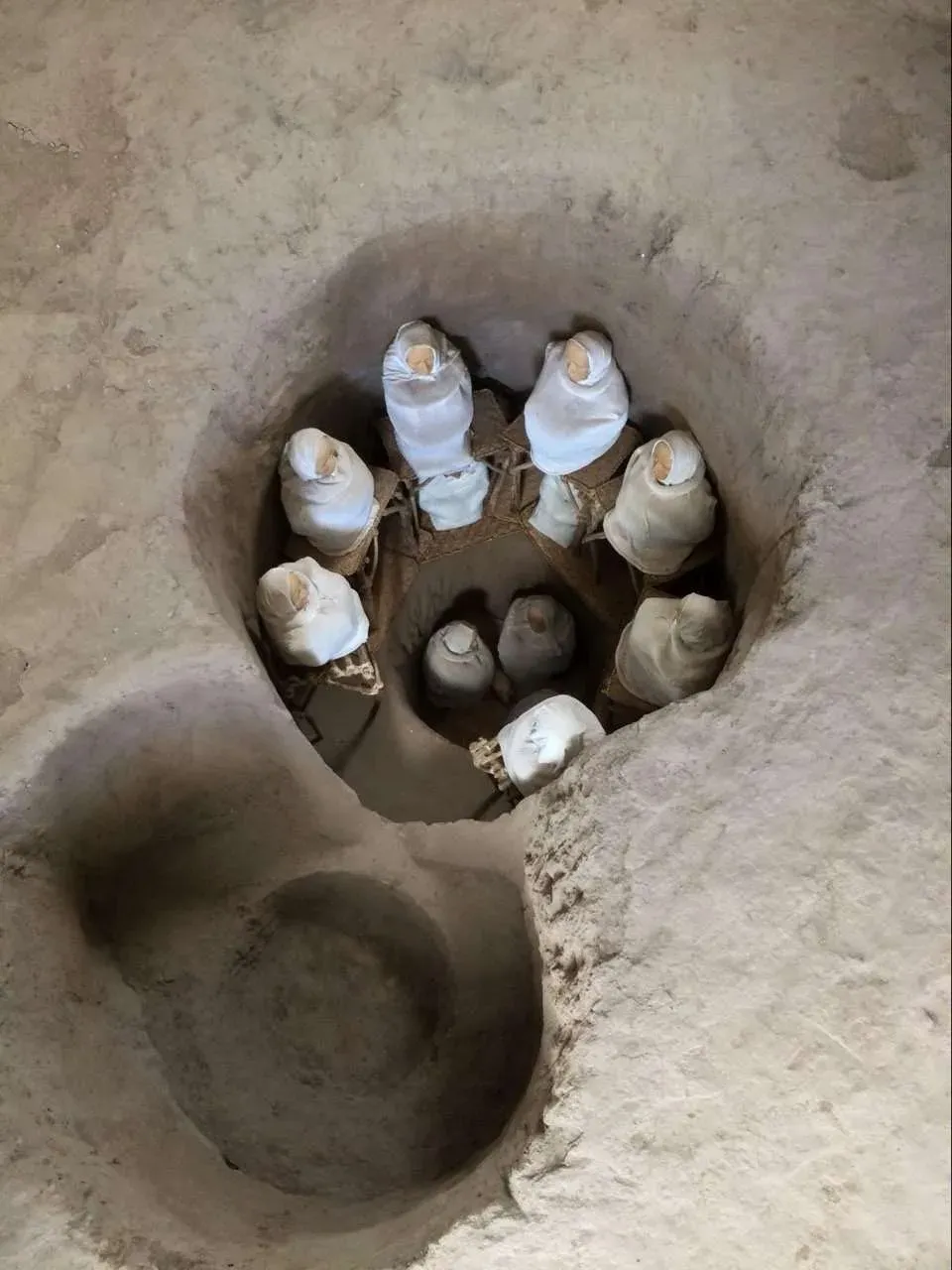
Multiple burial reenactments. La Florida Site Museum (Quito, Ecuador).
Photo by Ranoutofusername, CC BY-SA 4.0, via Wikimedia Commons.
Located in the San Vicente de la Florida neighborhood, north of Quito, the Museo de Sitio La Florida “is a cemetery or Necropolis of the ancient settlers of the Quito valley. “It is a small but valuable Site Museum, that is, it is built in the very place of the archaeological finds.” Museums of Quito (s/f). La Florida Site Museum.
La Florida shows us the archaeological findings of a cemetery of settlers originally from Quito, thanks to “a funerary architecture formed by several tombs that are shaped like deep wells with a central chamber, [which] were built between the years 200 AD and 680 AD” . Museums of Quito (s/f). La Florida Site Museum.
In this museum, “the rich funerary trousseau found demonstrates that it is a highly hierarchical society of the Quito culture, where members of the elite were buried with abundant Spondylus shells, gold ornaments, copper bells and vessels with paint. negative”. City Museums Foundation (2024). La Florida Site Museum.
Another reason to visit this place is to enjoy a magnificent view of the city. If the day is clear, with a little luck, you can see the Cotopaxi volcano and the nearby volcanoes. This space is perfect to reflect on the history of the native peoples of Quito, to understand our roots and identity, and how funerary rituals were carried out in areas that were later occupied while the city expanded through the natural environment.
See information about visiting hours on Google
Tips for your visit to the museums of Quito#
- Most museums in Quito are closed on Mondays, so plan your visit accordingly. Research the hours and admission prices of each museum before you go.
- Many museums offer free guided tours in Spanish and English. If you have not previously found out the operating hours, we recommend that you inquire about them at the museum reception.
- Entrance prices to museums are usually very affordable, ranging from $3 to $6 for foreign tourists.
- Take your time in each museum. Quito has a rich and complex history that deserves to be explored calmly.
- Many museums require walking, so wear comfortable shoes.
- Some museums do not allow photography inside; however, if they do, take your camera and capture the most special moments of your visit.
- Some museums, such as the Yaku Parque Museo del Agua, offer more interactive experiences that can be especially attractive to children.
- You can reach the museums in the historic center of Quito if you take the only double-decker bus in the city, the Quito Tour Bus, and opt for our Quito City Tour, a tour of the most notable places in the historic center of the city. Our Hop On – Hop Off system will allow you to get off our bus, visit the museums of your choice and take it again.
- Travel to the three main sites of the Mitad del Mundo: Intiñan Museum, Mitad del Mundo and Casa Agave Museum, in our Middle of the World Tour. Our Hop on Hop Off system will allow you to get on and off at each stop to enjoy the time you want at each attraction.
- Another way to get to any of the museums in Quito is to use the VIP transportation service, a very safe way to get around the city of Quito. A driver will take you to the museum of your choice and pick you up whenever you want. If you are looking for comfortable and safe transportation to take you to any of the museums in Quito, contact us by WhatsApp.
Water Museum, Quito, Ecuador.
Photo by Rinaldo Wurglitsch from Vienna, Austria, CC BY 2.0, via Wikimedia Commons.
Quito is a city that not only offers impressive landscapes and a rich colonial history but is also a cultural destination with a diverse museum offering. From archeology to contemporary art, there is something for everyone. If you are a curious traveler looking to connect with the essence of the places you visit, don’t miss the opportunity to explore these fascinating museums.
And although in this note we have included a list of what we consider the most representative museums of the city of Quito, we recommend that you investigate the wide and varied range of museums in the city.
Remember that Quito awaits you with open arms. We hope you have an unforgettable trip full of discoveries, that you explore its museums and discover the cultural wealth of this ancient city.